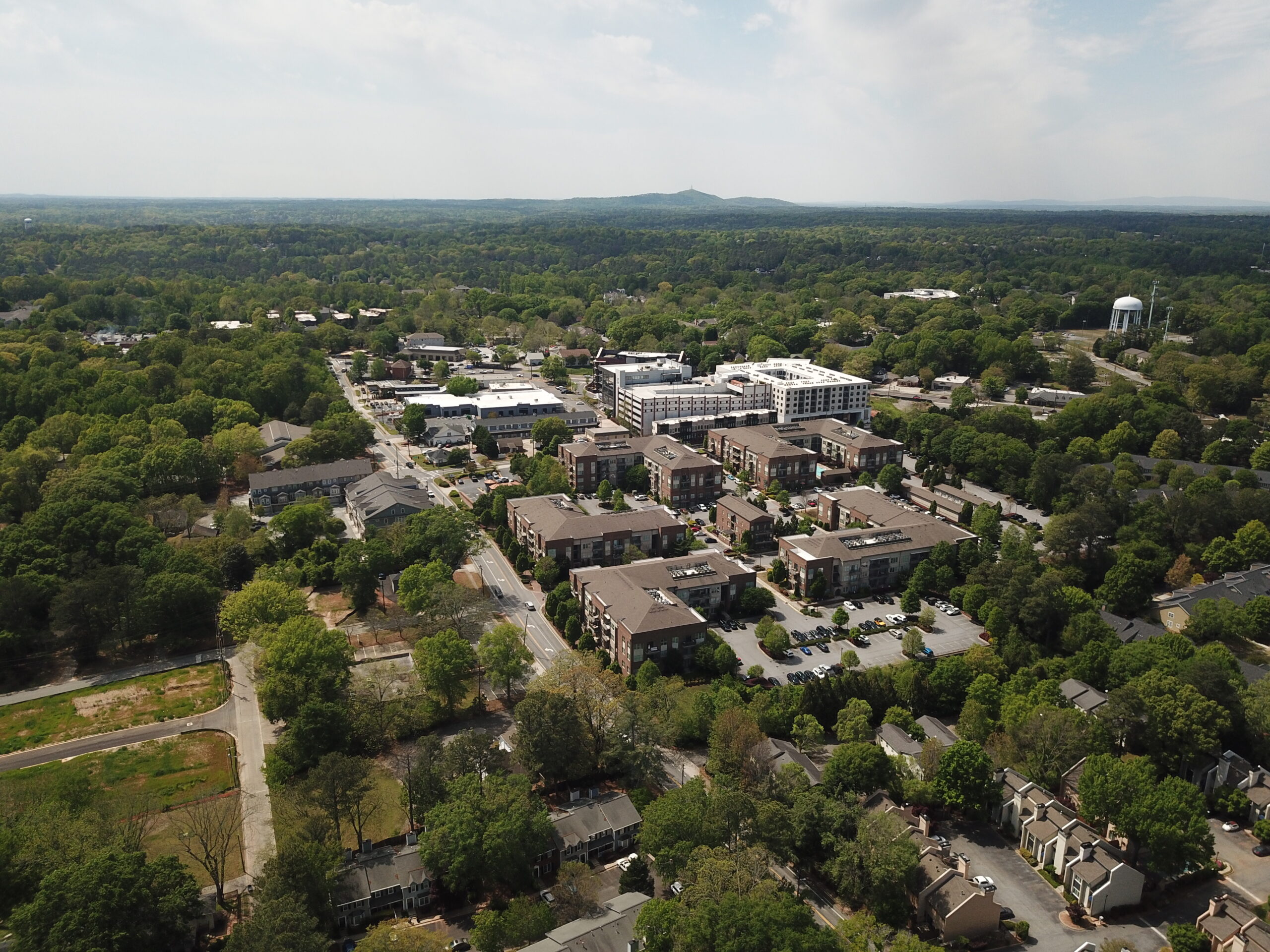
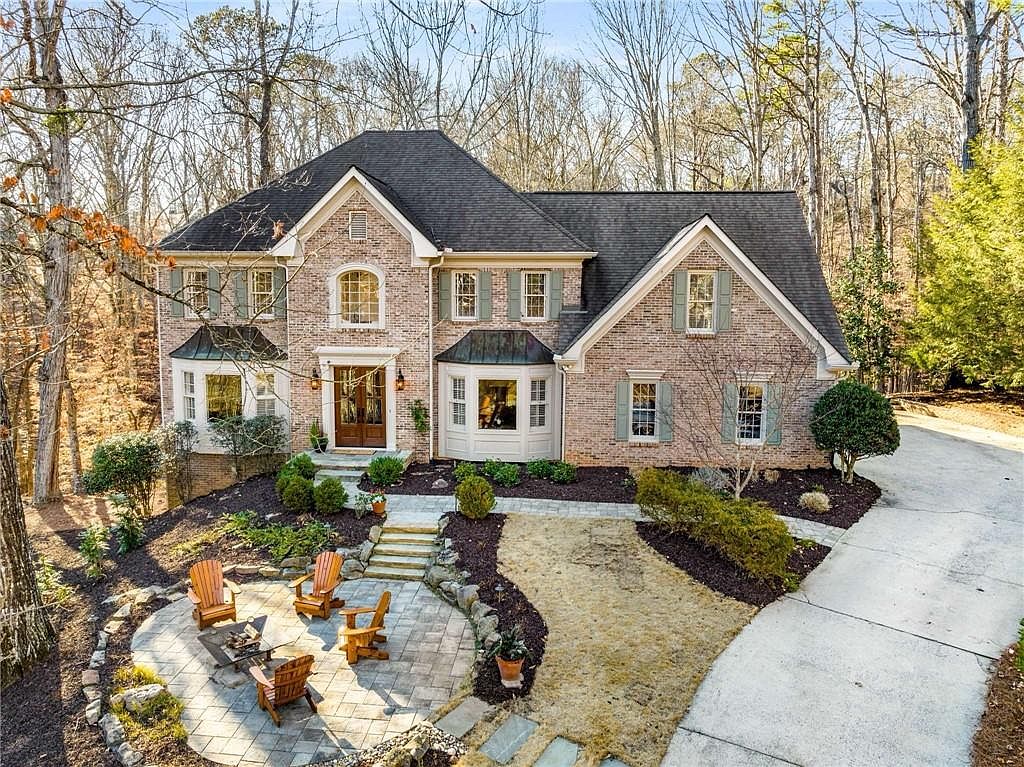

The Roswell, Georgia Real Estate Market: January 2026 Market Report & Forecast
As we step into 2026, Roswell continues to cement its reputation as one of North Atlanta’s most coveted residential communities, offering a rare combination that appeals to diverse buyer demographics. From young professionals seeking walkable access to the trendy restaurants and boutiques along Historic Canton Street, to established families drawn by the consistently high-performing schools in the Fulton County system, Roswell delivers on multiple fronts.
This city of approximately 95,000 residents has evolved far beyond its Civil War-era roots. Today’s Roswell seamlessly blends preserved antebellum architecture and tree-canopied neighborhoods with contemporary development, including modern mixed-use spaces, newly constructed townhome communities, and luxury estates overlooking the Chattahoochee River. The city’s commitment to maintaining its historic character while embracing thoughtful growth has created a residential market that commands premium pricing yet continues to attract strong demand.
Whether you’re considering buying your first home, upgrading to accommodate a growing family, downsizing to a maintenance-free townhome, or selling a property you’ve owned for years, understanding current market conditions and upcoming trends is essential for making informed decisions. The Roswell market has undergone significant transformation since the pandemic years, and 2026 represents a pivotal transition period that savvy buyers and sellers need to understand.
Current Market Snapshot: January 2026
The Roswell real estate market enters 2026 in what economists call a “normalization phase,” moving away from the seller-dominated frenzy of recent years toward a more balanced environment where both buyers and sellers can negotiate with reasonable expectations. This shift represents welcome relief after years of bidding wars, waived contingencies, and homes selling within hours of listing.
Pricing Trends: Where the Market Stands
Current data from multiple listing services and major real estate platforms reveals a market that’s appreciated steadily but moderately over the past year. The median home value in Roswell now sits between $607,000 and $694,000, with the variance largely attributed to property type and specific neighborhood characteristics.
For context, a three-bedroom, two-bath ranch-style home in established neighborhoods like Parkaire or East Roswell might list for $575,000 to $625,000, while a similar-sized home in more upscale enclaves commands significantly more. These figures represent year-over-year appreciation of 2.2% to 2.6%—healthy growth that indicates a stable market without the unsustainable double-digit increases that characterized 2020-2022.
Price per square foot averages between $242 and $249 across the city, though this metric varies dramatically by property age, condition, and location. A newly renovated home in Downtown Roswell might fetch $300+ per square foot, while a dated property requiring updates in a less central location might sell for $200 per square foot. This pricing granularity means that blanket statements about “Roswell prices” require significant context.
The market’s overall competitive strength scores 72 out of 100 on Redfin’s competition index—a notable moderation from the peak scores of 85-90 seen in 2021-2022. This score suggests that while Roswell remains an attractive market where quality homes sell efficiently, we’re no longer in the hyper-competitive environment where every listing received 10+ offers within 24 hours.
Market Activity: What’s Actually Happening on the Ground
The number of days properties spend on the market tells a compelling story about shifting dynamics. Currently, homes average anywhere from 10 to 50 days on market, with the wide range reflecting significant variation based on price point, condition, and location.
Consider these real-world scenarios: A well-priced, updated home in Martins Landing under $650,000 might go under contract in 10-14 days with multiple offers. Meanwhile, a higher-end property in Nesbit Lakes listed at $1.2 million might take 45-60 days to find the right buyer, particularly if it’s priced aggressively or requires any deferred maintenance. A townhome in Downtown Roswell priced under $600,000 will likely see quick action from buyers seeking walkability and lower-maintenance living.
Homes in Roswell still receive an average of three offers per property when priced correctly and in desirable condition. However, this represents a significant shift from the pandemic era when 5-8 offers became routine. Today’s buyers have slightly more breathing room to conduct due diligence, schedule home inspections, and negotiate terms beyond the purchase price.
Sales volume data shows 100 homes sold in the most recent monthly reporting period, with total annual sales patterns suggesting steady, sustainable activity rather than the boom-and-bust cycles that plague less stable markets. This consistent transaction velocity indicates genuine demand rather than speculative buying.
The market still officially classifies as a “seller’s market,” but that designation comes with important caveats. Unlike 2021 when almost any listed property would sell quickly at or above asking price, today’s market rewards sellers who price strategically, present their homes professionally, and remain realistic about negotiations.
Neighborhood Price Variations: Understanding Roswell’s Micro-Markets
One of Roswell’s defining characteristics is its dramatic neighborhood diversity, which creates distinct micro-markets with vastly different pricing structures. Understanding these variations is crucial for both buyers and sellers.
Ultra-Premium Neighborhoods: Communities like Nesbit Lakes and Sentinel on the River represent Roswell’s most exclusive addresses, with median prices ranging from $1,090,000 to $1,150,000. These gated communities offer amenities such as:
- Chattahoochee River frontage with private boat docks
- Clubhouses with fitness centers and pools
- Manicured landscaping and architectural standards
- Homes typically ranging from 4,000 to 7,000+ square feet
- Privacy and prestige that justify premium pricing
A typical home in Sentinel on the River might feature five bedrooms, four bathrooms, a chef’s kitchen with high-end appliances, a finished basement with home theater, and professionally landscaped grounds on a lot exceeding one acre. These properties attract executives, successful entrepreneurs, and affluent families seeking Roswell’s top-tier lifestyle.
Established Middle-Market Communities: Neighborhoods like Martins Landing, with a median price around $615,000, represent Roswell’s substantial middle market. These communities typically feature:
- Homes built in the 1990s to 2010s
- 3-5 bedrooms, 2.5-4 bathrooms
- 2,500 to 4,000 square feet
- Community amenities including pools, tennis courts, and playgrounds
- Strong appeal to families prioritizing school quality and community feel
A representative home in Martins Landing might include four bedrooms, three bathrooms, an updated kitchen with granite countertops, hardwood floors on the main level, and a two-car garage, all situated on a half-acre lot with mature trees. These properties move relatively quickly when priced at or slightly below comparable sales.
Townhome Market: Roswell’s townhome segment, with a median price of $575,000, has grown significantly as demographics shift toward maintenance-free living. These properties appeal to:
- Young professionals and couples without children
- Empty nesters downsizing from larger homes
- Busy professionals who travel frequently
- Anyone seeking proximity to Downtown Roswell’s restaurants and entertainment
Recent townhome developments near Historic Canton Street command premium pricing due to walkability. A three-bedroom, 2.5-bath townhome with 2,200 square feet, attached garage, and rooftop terrace might list for $625,000, while similar properties further from downtown amenities might list for $525,000.
Condominium Options: For budget-conscious buyers or those seeking minimal maintenance, Roswell’s condo market offers entry points from $200,000 for one-bedroom units to $282,500 for two-bedroom configurations. These properties are particularly popular with:
- First-time buyers seeking an affordable entry into Roswell
- Young professionals working in North Atlanta or Buckhead
- Retirees seeking maintenance-free living
- Investors looking for rental income opportunities
A two-bedroom, two-bath condo with 1,200 square feet might include features like granite countertops, stainless appliances, in-unit laundry, and amenities such as a pool and fitness center. HOA fees typically range from $300-500 monthly, covering exterior maintenance, insurance, and amenity upkeep.
Inventory Assessment: Supply & Demand Dynamics
Current Inventory Conditions: The Numbers Behind the Headlines
The Roswell market is experiencing a gradual but meaningful increase in available inventory after years of severe supply constraints that left frustrated buyers competing for limited options. This inventory expansion represents one of 2026’s most significant market shifts and signals the beginning of a long-awaited rebalancing.
Understanding the Inventory Surge
Active listings have increased by approximately 44% compared to the same period last year—a dramatic shift that fundamentally alters buyer and seller dynamics. To put this in perspective, if Roswell had 385 active listings in January 2025, that number has grown to roughly 555 listings in January 2026. While this might not seem like a massive absolute increase, in real estate terms it represents a substantial expansion of choice for buyers who have been starved for options.
This inventory growth stems from several converging factors:
Mortgage Rate Lock-In Effect Weakening: Many homeowners who secured ultra-low rates (2.5-3.5%) during 2020-2021 felt “trapped” in their homes, unable to sell without dramatically increasing their monthly housing costs. As rates have stabilized in the 6-6.5% range and home equity has grown substantially, more homeowners are calculating that they can sell and relocate despite the rate differential. The math often works like this: A homeowner who bought in 2020 for $450,000 at 3% now has a home worth $680,000. Even with a higher rate on their next purchase, they can leverage significant equity for a down payment, offsetting some of the rate impact.
Life Events Forcing Movement: Job relocations, family expansions, divorces, and retirements continue regardless of interest rates. After several years of deferred moves, many households have reached the point where staying in their current home is no longer practical, driving inventory growth.
New Construction Completions: Builders who started projects in 2023-2024 are now bringing completed inventory to market, particularly in the townhome and single-family categories. Downtown Roswell has seen notable new construction activity, with several boutique developments adding modern, amenity-rich housing stock.
Investor Activity Moderating: The speculative buying that characterized 2020-2022 has largely evaporated. Some investors who purchased rental properties during the frenzy are now selling, adding to available inventory. Those who anticipated continued rapid appreciation are reassessing their strategies in a more moderate growth environment.
The 3.5 Months of Supply Metric Explained
Current supply sits at approximately 3.5 months of inventory—a technical measure that real estate economists use to classify market balance. Here’s how to interpret this metric:
- Less than 5 months: Seller’s market (sellers have pricing power and leverage)
- 5-7 months: Balanced market (neither buyers nor sellers dominate negotiations)
- More than 7 months: Buyer’s market (buyers have choice and negotiating power)
At 3.5 months, Roswell remains firmly in seller’s market territory, though the trajectory points toward balance. A year ago, inventory sat closer to 2-2.5 months—an extremely tight market where buyers had minimal leverage. The movement toward 3.5 months represents meaningful progress toward equilibrium without tipping into oversupply.
For practical purposes, this means that at the current sales pace, all available inventory would be absorbed in 3.5 months if no new listings came to market. Buyers still face competition but have more opportunities to find homes that meet their criteria without settling for less-than-ideal properties.
Still Below Historical Norms
It’s crucial to note that 3.5 months of inventory, while improved, remains below the 6-month threshold that economists typically define as a balanced market. Historically, healthy real estate markets maintain 6-8 months of supply, providing adequate choice for buyers while still allowing well-priced homes to sell within a reasonable timeframe.
Roswell hasn’t seen 6+ months of inventory since before the 2008 financial crisis, with the exception of a brief period during the recession. The market has operated in supply-constrained mode for over a decade, with the pandemic years representing an extreme version of an already tight market.
New Construction Trends and Pipeline
New construction activity in Roswell provides important context for understanding inventory dynamics. Unlike rapidly expanding suburban communities where developers can easily access large land parcels, Roswell’s mature development patterns limit where new construction can occur.
Current new construction focuses on:
Infill Townhome Developments: Downtown Roswell and established neighborhoods near Canton Street are seeing boutique townhome communities of 12-30 units. These developments typically feature modern open-concept layouts, rooftop terraces, two-car garages, and walkability to restaurants and shops. Prices generally range from $550,000 to $750,000 depending on size and finishes.
Teardown and Rebuild Activity: In desirable neighborhoods with older housing stock, buyers are purchasing 1960s-1980s ranch homes, demolishing them, and building larger custom homes. This activity refreshes neighborhood housing stock while maintaining the established character. A typical scenario: Purchase a dated 2,000-square-foot ranch on a one-acre lot for $550,000, demolish it, and build a 4,500-square-foot modern farmhouse-style home worth $1.2-1.4 million.
Limited Large-Scale Subdivisions: Unlike outer suburbs still experiencing greenfield development, Roswell’s remaining undeveloped land is either protected greenspace, topographically challenging, or held by owners not interested in selling. This geographic constraint on new supply provides long-term support for property values.
What This Means for the Market: Practical Implications
The current inventory situation creates nuanced implications for different market participants:
For Buyers: You’re experiencing the best market conditions since 2019, with meaningfully more choices than you would have had 12-18 months ago. However, don’t mistake “improving” for “buyer’s market.” Quality properties in desirable locations still move quickly, and competitive offers remain necessary. The difference is that you might see 3-5 comparable homes to choose from instead of just 1-2, and you’ll have slightly more time to conduct due diligence without feeling rushed into same-day decisions.
For Sellers: You still operate from a position of strength, but success requires more strategy than during the 2020-2022 period when virtually anything listed would sell immediately. Your competition has increased by 44%, meaning buyers have alternatives. This necessitates competitive pricing, professional presentation, and realistic expectations about negotiations. The days of listing at an aspirational price and waiting for a desperate buyer have ended.
For the Market Overall: The inventory increase represents healthy normalization rather than concerning oversupply. Markets function most efficiently when both buyers and sellers can transact with reasonable expectations and timelines. The move toward balance should reduce the frustration both groups experienced during the extreme conditions of recent years.
Properties still move efficiently—Roswell isn’t experiencing the extended market times and price reductions common in oversupplied markets. Instead, we’re seeing a return to traditional real estate dynamics where well-priced, well-presented homes sell within 30-45 days, while overpriced or poorly presented properties languish.
Competitive Score Context
The competitive score of 72 out of 100 places Roswell in the “very competitive” category but below the “most competitive” designation. In practical terms:
- Most homes still receive multiple offers when priced correctly
- Buyers should prepare their strongest offers upfront
- Contingencies are generally accepted (unlike 2021-2022 when waiving inspection contingencies became common)
- Homes in the $500,000-$700,000 range face the most competition
- Luxury properties above $1 million take longer to sell due to a smaller buyer pool
- First-time buyer price points (under $400,000) remain extremely competitive due to limited inventory
This competitive landscape means that success requires strategy rather than simply hoping to win through luck or desperation. Buyers need pre-approval, prompt decision-making, and competitive offers. Sellers need realistic pricing, professional marketing, and property presentation that stands out from increased competition.
Tips for Prospective Buyers: Navigating Roswell’s Evolving Market
1. Move Quickly, But Don’t Panic: Finding the Balance
While Roswell homes still average only 10-35 days on market depending on price point and condition, the days of making same-day offers with waived contingencies have largely passed. You now have slightly more time to make thoughtful decisions, but don’t mistake “more balanced” for “buyer’s market.” Quality homes in top neighborhoods still move fast.
Here’s what this means practically: When a well-priced home hits the market in a desirable neighborhood like Martins Landing or East Roswell, you should plan to view it within 24-48 hours of listing. However, you can now schedule a thorough home inspection, review the seller’s disclosure carefully, and consult with your real estate agent about comparable sales before submitting your offer. In 2021-2022, this kind of due diligence felt impossible as buyers rushed to submit offers on the day of listing.
Real-World Example: A four-bedroom, three-bath home in Crabapple Ridge lists on a Thursday afternoon at $649,000. In today’s market, you might view it Friday evening, schedule an inspection for Saturday morning, review comparable sales over the weekend, and submit a strong offer Monday morning. In the 2021 market, that same home would have had 8 offers by Friday night, many sight-unseen. The difference is subtle but significant—you have time to make informed decisions without feeling artificially pressured.
That said, don’t let analysis paralysis cost you the home you want. I recently watched a buyer deliberate for five days on a well-priced home in Old Alabama, conducting multiple viewings and endless discussions with family members. By the time they decided to make an offer, the sellers had already accepted another offer from a more decisive buyer. The sweet spot is being prepared to act within 2-4 days of seeing a property that meets your criteria.
2. Get Pre-Approved Before You Shop: This Isn’t Optional
With mortgage rates currently hovering around 6% to 6.5% for 30-year fixed loans, having pre-approval from a reputable lender isn’t just helpful—it’s essential to be taken seriously in competitive situations. Pre-approval demonstrates your financial credibility to sellers and gives you clear parameters for your search.
Understanding the Pre-Approval Process:
Pre-approval is distinctly different from pre-qualification. Pre-qualification is a quick, informal estimate based on self-reported information. Pre-approval involves actual verification of your finances, including:
- Full credit check and score verification
- Verification of employment and income (recent pay stubs, W-2s, tax returns)
- Bank statements showing assets and down payment funds
- Debt-to-income ratio calculations
- Conditional commitment from the lender (subject to appraisal and clear title)
The process typically takes 3-5 business days and gives you a specific loan amount you’re approved to borrow. This transforms you from a “maybe” buyer to a serious, qualified buyer in sellers’ eyes.
Current Financing Landscape: What to Expect
As of January 2026, mortgage rates reflect a moderating but still elevated environment:
- 30-year fixed rates: 6.0% to 6.5% depending on credit score, down payment, and lender
- 15-year fixed rates: 5.4% to 5.7%, offering lower rates for those who can afford higher monthly payments
- 7-year ARM rates: 5.75% for buyers willing to accept rate adjustment risk
These rates represent significant improvement from the 7%+ highs of 2024 but remain well above the pandemic-era lows when rates dipped below 3%. For perspective on payment differences:
Example: $600,000 loan amount
- At 3% (2021 rates): $2,530/month principal & interest
- At 6.5% (current rates): $3,789/month principal & interest
- Monthly difference: $1,259 more
This $1,259 monthly increase explains why many homeowners with low rates feel hesitant to move. However, for first-time buyers or those who didn’t purchase during the low-rate era, today’s 6-6.5% rates represent the “new normal” and are actually in line with historical averages.
Pro Tips for Financing:
Shop Multiple Lenders: Rate and fee differences between lenders can be substantial. Get quotes from at least three sources: a big bank, a credit union, and a mortgage broker who can shop multiple lenders. Even a 0.25% rate difference equals thousands over the loan term.
Consider Buying Points: If you plan to stay in the home long-term, buying discount points (paying upfront fees to reduce your rate) might make sense. One point typically costs 1% of your loan amount and reduces your rate by approximately 0.25%. On a $600,000 loan, paying $6,000 upfront might reduce your rate from 6.5% to 6.25%, saving you roughly $90 monthly—paying for itself in about 67 months.
Understand Your DTI Ratio: Lenders typically want your total debt-to-income ratio below 43-45%. This includes your new mortgage payment plus all other debts (car loans, student loans, credit cards). If you’re close to this threshold, paying off some debt before home shopping can improve your purchasing power.
Get Pre-Approved for Slightly More Than You Want to Spend: If you’re comfortable spending $600,000, get pre-approved for $650,000-675,000. This gives you negotiating flexibility if you fall in love with a home slightly above your target budget, and you’ll know definitively whether it’s financially possible. You’re not obligated to spend your full pre-approval amount.
3. Consider Total Cost of Ownership: Beyond the Mortgage Payment
Many buyers focus exclusively on the purchase price and mortgage payment, overlooking the substantial additional costs of homeownership. In Roswell, these costs deserve careful consideration:
Property Taxes: The Roswell Advantage
Roswell’s effective property tax rate of 0.89% is competitive with neighboring communities like Alpharetta (0.89%), Sandy Springs (0.93%), and Johns Creek (0.87%). This makes Roswell attractive compared to other metro Atlanta areas with higher millage rates.
Real-World Tax Calculation:
- Home value: $650,000
- Assessed value: $260,000 (40% of market value, per Georgia law)
- Annual property tax: $2,314 ($193/month)
However, these taxes fund Roswell’s excellent city services and highly-rated schools, representing value for your tax dollars. Additionally, Georgia homeowners benefit from a homestead exemption that reduces your assessed value by $10,000-30,000 depending on age and disability status, providing meaningful tax savings.
HOA Fees: Understand What You’re Paying For
Many Roswell neighborhoods have homeowners associations with monthly or annual fees. These range dramatically:
- Modest neighborhoods: $200-400 annually for basic lawn maintenance and neighborhood entrance upkeep
- Amenity-rich communities: $1,200-2,400 annually ($100-200 monthly) for pools, tennis courts, clubhouses, and extensive landscaping
- Luxury gated communities: $3,600-6,000 annually ($300-500 monthly) for enhanced security, premium amenities, and full-service maintenance
- Townhome communities: $200-400 monthly covering exterior maintenance, roof, landscaping, and insurance
Before dismissing HOA fees as “wasted money,” consider what they cover. A $250 monthly HOA fee in a townhome community typically includes:
- Exterior painting and maintenance (saving you $8,000-12,000 every 8-10 years)
- Roof replacement when needed (saving you $12,000-20,000 every 20-25 years)
- Landscaping and lawn maintenance (saving you $150-250 monthly)
- Master insurance policy covering structure
- Pool and amenity maintenance
When factoring these savings, the HOA fee represents value rather than pure expense—particularly for buyers who don’t want the hassle of maintaining a larger property.
Flood Insurance: Know Your Risk
Properties in Special Flood Hazard Areas (SFHAs) require flood insurance for federally-backed mortgages. Roswell’s proximity to the Chattahoochee River means some properties fall into flood zones.
Flood insurance costs vary widely:
- Low to moderate risk zones: $400-700 annually
- High-risk zones: $1,500-3,500 annually depending on coverage and elevation
If you’re considering a waterfront property or home near the Chattahoochee, obtain a flood zone determination early in your search. A gorgeous river-view home might become less attractive when you factor in $3,000 annual flood insurance. Alternatively, properties with flood-resistant features or elevated construction might qualify for lower rates through FEMA’s Community Rating System.
Maintenance Costs: The Hidden Budget Category
Financial advisors typically recommend budgeting 1-2% of your home’s value annually for maintenance and repairs. On a $650,000 Roswell home, that’s $6,500-13,000 yearly, or roughly $540-1,080 monthly.
This might seem excessive until you consider:
- HVAC system replacement: $8,000-15,000 (systems last 12-15 years)
- Roof replacement: $12,000-25,000 (roofs last 20-25 years)
- Water heater replacement: $1,500-2,500 (lasts 8-12 years)
- Exterior painting: $6,000-12,000 (every 7-10 years)
- Deck or patio repairs: $2,000-8,000 (varies by material and age)
Older homes require higher maintenance budgets. A 1975 ranch-style home, however charming, will likely need more frequent repairs than a 2018 construction. Factor this reality into your purchase decision—sometimes a $625,000 newer home costs less long-term than a $575,000 older home requiring immediate updates.
Utility Costs: Energy Efficiency Matters
Roswell’s climate—hot, humid summers and moderate winters—creates specific utility considerations:
- Electric bills: $150-300 monthly depending on home size, insulation, and HVAC efficiency
- Natural gas (if applicable): $50-150 monthly, lower in summer, higher in winter
- Water/sewer: $70-120 monthly depending on usage and landscaping irrigation
- Internet/cable: $80-150 monthly
Total utilities typically run $350-700 monthly. Older homes with poor insulation, single-pane windows, and inefficient HVAC systems skew toward the high end. Modern homes with spray foam insulation, double-pane windows, and high-SEER HVAC systems stay toward the low end.
When touring homes, ask about utility costs. Sellers are required to disclose this information, and it can reveal hidden inefficiencies. A seller paying $400 monthly electric bills on a 2,800-square-foot home signals either poor efficiency or extremely high usage—either way, a red flag for your budget.
4. Look Beyond the Obvious Neighborhoods: Finding Hidden Value
While established communities like Nesbit Lakes command premium prices for legitimate reasons (amazing amenities, prestige addresses, river frontage), emerging areas and alternative property types offer excellent value for buyers willing to explore.
Downtown Roswell’s Townhome Revolution:
Historic Canton Street has evolved from a quaint collection of antique shops into a vibrant entertainment district with trendy restaurants, craft breweries, boutique shops, and regular events. This transformation has driven development of modern townhome communities within walking distance of the action.
Example: Canton Street Townhomes A three-bedroom, 2.5-bath townhome with 2,200 square feet, rooftop terrace, and two-car garage might list for $625,000. Compare this to a similarly-sized single-family home requiring $3,000 annually for lawn maintenance, $5,000 for exterior painting every decade, and $15,000 for a roof replacement every 20 years. The townhome’s $300 monthly HOA fee covers these expenses while providing walkability to restaurants, galleries, and community events.
For young professionals, empty nesters, or anyone valuing convenience over yard space, these properties represent compelling value. You’re trading the large yard and privacy of a detached home for lifestyle amenities and freedom from maintenance.
East Roswell: Established Value
While neighborhoods near Historic Canton Street command premium pricing due to proximity to entertainment and dining, East Roswell offers similar quality schools and community feel at lower price points. Neighborhoods like Parkaire, Roswell Mill, and Brookfield offer:
- 1970s-1990s construction (many extensively updated)
- Mature tree canopy creating neighborhood character
- Lots typically 0.4-0.8 acres
- Ranch and traditional two-story floor plans
- $525,000-675,000 price range
A four-bedroom, three-bath home in Parkaire with 2,800 square feet on a half-acre lot might list for $589,000—$75,000-100,000 less than a comparable home closer to downtown or in newer communities. The trade-off is a 10-minute drive to Canton Street rather than walking distance, but for buyers prioritizing value and lot size over walkability, East Roswell delivers.
Crabapple and Northern Roswell:
The Crabapple area, technically straddling Roswell and Milton, offers newer construction (2000s-2010s), larger lots, and excellent schools at competitive pricing. While technically “Roswell-adjacent,” many homes here carry Roswell addresses and feed into high-performing schools.
These neighborhoods typically feature:
- Homes built 2000-2015
- 3,500-5,000 square feet
- 1-2 acre lots
- Modern open-concept floor plans
- $725,000-950,000 price range
You’re trading proximity to downtown amenities for space, privacy, and newer construction. For families with children prioritizing yard space and room to grow, this area offers compelling value compared to older neighborhoods closer to the city center.
Condos as Stepping Stones:
First-time buyers often overlook Roswell’s condo market, assuming they need to start with a single-family home. In reality, a well-located condo can serve as an excellent entry point:
Strategy Example: Purchase a two-bedroom, two-bath condo for $270,000 with 10% down ($27,000). Your monthly payment including HOA might total $2,200—comparable to renting a two-bedroom apartment in Roswell. After 4-5 years, you’ve built equity through appreciation (even modest 3% annually equals $40,000+) and mortgage paydown ($25,000+). You now have $65,000+ equity plus your growing savings to fund a down payment on a single-family home.
This strategy beats renting (building zero equity) and gets you into the Roswell market, schools, and community while building wealth for your next purchase.
5. Work with a Local Expert: The Value of Specialized Knowledge
Roswell’s market has distinct micro-markets and neighborhood characteristics that require specialized local knowledge. A real estate agent who works primarily in Decatur or Buckhead, while competent in their areas, won’t have the nuanced understanding of Roswell’s neighborhoods, schools, traffic patterns, and community character.
What Local Expertise Delivers:
Neighborhood Intelligence: An experienced Roswell agent knows that Martins Landing has strong community engagement with active social committees, that Crabapple offers large lots at competitive pricing, that certain streets in Parkaire back to busy roads, and which neighborhoods have the shortest elementary school commutes. This intelligence helps you identify properties that truly fit your lifestyle beyond what’s visible in MLS listings.
Off-Market Opportunities: Well-connected local agents often know about properties before they list officially. A homeowner considering selling might mention it to their agent, who can connect you before competition enters. In tight markets, these off-market opportunities provide significant advantages.
Multiple Offer Navigation: When a property receives multiple offers, negotiation becomes nuanced. An experienced agent knows how to structure offers that appeal to sellers beyond just price—flexible closing dates, reasonable contingencies, strong earnest money deposits, and personal letters (when appropriate) can tip the scales in competitive situations.
School District Expertise: Roswell feeds into multiple elementary, middle, and high schools with varying reputations and performance. An agent who lives and works in Roswell can provide insights beyond what GreatSchools ratings show—which schools have active PTAs, strong arts programs, competitive athletics, or International Baccalaureate programs.
Contractor and Inspector Referrals: Local agents maintain relationships with trusted home inspectors, contractors, and service providers. Need an inspection scheduled within 48 hours? Your agent knows which inspectors have availability and provide thorough, accurate reports. Considering a renovation after purchase? Your agent can connect you with contractors familiar with Roswell’s permit requirements and HOA restrictions.
Vetting Your Agent:
Look for agents who:
- Live in Roswell or have been working there for 5+ years
- Have completed at least 20-30 Roswell transactions annually (demonstrating active local presence)
- Can discuss specific neighborhoods in detail without consulting notes
- Provide references from recent Roswell buyers
- Belong to local community organizations (Roswell Business Network, chamber of commerce)
- Attend Roswell city council meetings and stay informed about development plans
Interview at least 2-3 agents before committing. Ask about their recent Roswell transactions, how they’ve helped buyers navigate multiple offers, and their strategy for your specific needs and timeline. The right agent becomes your partner throughout the process, not just someone who unlocks doors.
6. Be Realistic About Negotiating: Understanding Today’s Dynamics
Negotiation dynamics in Roswell’s current market require nuanced understanding. Unlike the extreme seller’s market of 2021-2022 when buyers waived contingencies and offered tens of thousands over asking price, or the buyer’s market of 2009-2011 when lowball offers succeeded regularly, today’s market falls somewhere in between.
Current Negotiation Patterns:
Recent data shows that:
- Approximately 52% of homes sell below asking price (median reduction: $5,000-15,000)
- 16% sell at exactly asking price
- 32% sell above asking price (median premium: $3,000-12,000)
These statistics reveal important insights. The majority of homes (52%) sell below asking, but not dramatically below—typically $5,000-15,000, representing 1-2% reductions on most properties. This suggests sellers are pricing slightly above market to leave negotiating room, and buyers are succeeding with modest negotiations.
The 32% selling above asking typically represents extremely well-priced properties in highly desirable neighborhoods, turnkey condition homes requiring no updates, or properties where multiple qualified buyers compete. Hot properties can still go 1% above list and pending in around 14 days—but this represents exceptional properties, not the norm.
Strategic Offer Construction:
In today’s market, competitive offers should:
Start Strong: Don’t make lowball offers expecting to negotiate up. Begin with your best realistic offer. In a market where homes receive an average of three offers, starting low simply eliminates you from consideration. If comparable sales suggest a home is fairly priced at $625,000, offering $590,000 appears unrealistic and will likely be ignored. Offering $615,000-620,000 demonstrates seriousness while still negotiating.
Include Reasonable Contingencies: Unlike 2021-2022 when buyers waived inspection contingencies to win offers, today’s sellers expect standard protections:
- Home inspection contingency (7-10 days typical)
- Financing contingency (30-45 days typical)
- Appraisal contingency (protecting you if the home doesn’t appraise)
- Clear title contingency
These contingencies protect you without making your offer less attractive. Sellers understand they’re standard, and removing them raises red flags about your sophistication.
Demonstrate Financial Strength: Include with your offer:
- Pre-approval letter from a reputable lender (not just pre-qualification)
- Proof of funds for down payment and closing costs (bank statements)
- Substantial earnest money deposit (1-2% of purchase price, demonstrating commitment)
- Letter from your lender to the listing agent confirming your strength as a borrower
Be Flexible on Terms: Sometimes sellers care about terms beyond price:
- Flexible closing date (maybe they need 60 days to find their next home)
- Rent-back agreement (allowing them to stay briefly after closing)
- Minimal seller concessions (not asking them to pay your closing costs)
- Quick response time (committing to respond to counteroffers within hours, not days)
Personal Touches (When Appropriate): In some situations, a personal letter to the seller can differentiate your offer. Describe why you love their home, what attracted you to Roswell, and how you’ll continue their stewardship of the property. This works best with:
- Long-term owners selling a beloved family home
- Unique properties with character and history
- Situations where multiple similar offers exist
However, be aware that fair housing laws create concerns about letters revealing protected class information. Some sellers and agents refuse them. Your agent can advise whether this approach makes sense in your specific situation.
Inspection Negotiation:
After your home inspection (which typically reveals some issues), negotiation continues:
Prioritize Safety and Major Systems: Request repairs for legitimate safety issues (electrical problems, roof leaks, structural concerns) and major system failures (HVAC not functioning, water heater at end of life). Don’t nickel-and-dime over cosmetic issues or minor maintenance items.
Consider Credit Instead of Repairs: Many buyers prefer receiving a credit at closing rather than having sellers make repairs. This allows you to hire your own contractors and ensure quality work. Requesting a $5,000 credit for various items might be more effective than requesting 15 specific repairs.
Be Reasonable: Remember that sellers aren’t required to deliver a perfect home, and your inspection report will identify numerous items (most homes have 30-50 noted items). Focus on items truly impacting the home’s value, safety, or functionality. In the current market, sellers will typically address reasonable repair requests totaling $3,000-8,000, but extensive demands might lead them to accept another offer.
Appraisal Gap Negotiations:
If the home doesn’t appraise for the contract price, negotiation becomes necessary:
Scenario Example: You offer $640,000 for a home (with 10% down, financing $576,000). The appraisal comes in at $625,000. Your lender will only finance 90% of the appraised value ($562,500), creating a $13,500 gap you must cover with additional cash.
Options:
- Ask the seller to reduce the price to $625,000 (they might decline if they have backup offers)
- Meet halfway—you bring extra $6,750 cash, seller reduces price by $6,750 to $633,250
- You cover the full gap (if you have the cash and truly love the home)
- Exercise your appraisal contingency and cancel the contract
In today’s market with expanded inventory, sellers are more willing to negotiate appraisal gaps than they were during the extreme seller’s market of 2021-2022. However, if they priced fairly and have backup offers, they might hold firm.
Come prepared with your best offer upfront, include reasonable contingencies for protection, demonstrate financial strength, remain flexible on terms, focus inspection requests on major issues, and be prepared to negotiate professionally when challenges arise. This balanced approach reflects current market realities—you’re not dictating terms like in a buyer’s market, but you’re not compromising all protections like in an extreme seller’s market.
Tips for Prospective Sellers: Maximizing Value in a Moderating Market
1. Price Strategically from Day One: The Make-or-Break Decision
With inventory increasing and buyers having more choices, overpricing is riskier than it was 18 months ago. The average home now takes 26 to 50 days to sell, up 64.5% from last year. Homes that sit on the market accumulate stigma, and buyers begin asking “what’s wrong with this house?” Eventually, these properties sell for less than they would have if priced correctly initially.
The Psychology of Pricing:
Real estate pricing follows a predictable pattern. Maximum showing activity occurs in the first two weeks after listing. Buyers and their agents constantly search for new listings, and yours appears at the top of search results sorted by “newest first.” During these critical first 14 days, you’ll generate the most showings, the most interest, and ideally, multiple offers that drive your price up.
If your home is overpriced during this window, buyers will view it, recognize the pricing disconnect, and move on. Your listing then ages on the market. After 30 days, buyers wonder why it hasn’t sold. After 60 days, they assume something is fundamentally wrong—and they may be right, even if the only problem is pricing.
Real-World Pricing Examples:
Scenario 1: Strategic Pricing Success A seller in Martins Landing has a four-bedroom, three-bath home with 3,200 square feet, updated kitchen, and well-maintained exterior. Comparable recent sales range from $615,000 to $635,000. The seller prices at $619,900—slightly below the middle of the comp range.
Result: 12 showings in the first weekend, four offers within seven days, sold for $628,000 after slight bidding war. By pricing strategically, the seller generated competition and sold for $8,000-12,000 more than the initial ask.
Scenario 2: Optimistic Pricing Failure A similar seller with a comparable home prices at $659,000—$25,000 above the comp range—hoping to “leave room to negotiate” or “see what happens.”
Result: Minimal showings (buyers filter out overpriced listings), no offers for 32 days, first price reduction to $639,000, still no offers, second reduction to $619,000 after 58 days on market. Eventually sells for $608,000 to a buyer who aggressively negotiates, knowing the seller is desperate after two months.
The difference? $20,000 in final sales price, plus two additional months of mortgage payments, utilities, insurance, and stress. Strategic pricing wins every time.
Pricing Strategy Guidelines:
Research Recent Sales Thoroughly: Your agent should provide a Comparative Market Analysis (CMA) showing:
- Recently sold homes (last 90 days) most similar to yours
- Active competition (what buyers are choosing instead of your home)
- Expired/withdrawn listings (what didn’t work and why)
Focus on sold properties most similar in location, size, age, condition, and features. A 2,800-square-foot home that sold for $625,000 three months ago provides more useful data than a 4,200-square-foot home that sold for $825,000 last week.
Consider Current Market Conditions: With inventory up 44%, buyers have options. Your competition isn’t just the three other homes in your neighborhood—it’s every comparable home across Roswell. Price with this reality in mind.
The “Priced to Sell” Range: Generally, pricing within the bottom 25% of your comparable sales range generates the most activity. If comps range from $600,000 to $640,000, pricing at $600,000-610,000 creates urgency and competition. Pricing at $635,000-640,000 might attract fewer buyers who question why you’re at the top of the range.
Be Especially Careful in Higher Price Ranges: Luxury homes above $1 million face smaller buyer pools and longer market times. A $50,000 pricing error on a $1.2 million home might keep your property on the market for 90-120 days rather than 45-60 days. Price aggressively to attract your limited buyer pool.
Prepare for Adjustment: Build a price reduction strategy with your agent. If you don’t have offers within 10-14 days (with good showing activity), the market is telling you something. Waiting 45-60 days before adjusting price wastes the critical first-month window when buyer interest peaks.
2. Invest in Presentation: Making Your Home Undeniable
With buyers having more choices, homes must stand out. Professional presentation isn’t “nice to have”—it’s essential to maximize your sales price and minimize days on market.
Professional Photography: Non-Negotiable
In 2026, 95%+ of buyers start their home search online. Your listing photos are your first—and sometimes only—chance to make an impression. Professional photography isn’t expensive (typically $300-500) relative to your home’s value, yet it delivers outsized returns.
Professional vs. Amateur Photography: Professional photographers use:
- Wide-angle lenses that capture entire rooms
- HDR imaging that properly exposes both interior and windows
- Dusk shots that showcase your home with warm interior lighting
- Drone photography (for homes with acreage or impressive exteriors)
- Virtual twilight editing that transforms daytime photos into stunning evening shots
Amateur smartphone photos often show:
- Distorted perspectives from standard lenses
- Blown-out windows (white rectangles instead of views)
- Dark interiors or harsh flash shadows
- Cluttered spaces and personal items
- Unflattering angles
Buyers scrolling through listings spend 1-2 seconds per property. Professional photos make them stop, click, and schedule a showing. Amateur photos make them skip to the next listing.
Staging Strategies:
Occupied Homes: If you’re living in the home while selling, strategic “day-of-showing” preparation includes:
- Remove clutter, personal photos, and excess furniture
- Deep clean, focusing on kitchens and bathrooms (buyers scrutinize these)
- Maximize natural light (open curtains, turn on all lights)
- Add fresh flowers, bowl of lemons, subtle fresh scent
- Ensure beds are made, closets organized, dishes put away
- Remove pet items, litter boxes, and pet odors (this is critical—buyers notice immediately)
Vacant Homes: Empty homes feel smaller and less inviting. Consider at least partially staging:
- Living room, master bedroom, and dining room (minimum)
- Full staging of entire home (if budget permits)
- Virtual staging (less expensive but less effective for in-person showings)
Staging costs range from $1,500-4,000 for a typical 3,000-square-foot home for 60-90 days. If staging helps you sell for $10,000-15,000 more or 30 days faster, it pays for itself many times over.
Strategic Updates: Where to Invest
Not all improvements deliver equal returns. Focus on updates that matter most to buyers:
High-Impact Updates:
Paint: Fresh neutral paint (agreeable gray, warm white, soft beige) costs $3,000-6,000 for a 3,000-square-foot home but makes everything look clean and move-in ready. ROI: Often 100-150%.
Kitchen Updates: Full kitchen remodels ($40,000-80,000) rarely recoup costs in the sale. Instead, focus on:
- New cabinet hardware ($200-400): Modern handles and knobs update the look instantly
- Granite or quartz countertops if yours are laminate ($3,500-7,000)
- Modern lighting fixtures ($300-800)
- New stainless appliances if yours are outdated ($2,500-4,000) These targeted updates for $6,500-12,000 can increase your home’s value by $15,000-25,000.
Bathroom Updates: Again, full remodels rarely make sense, but:
- New vanities, faucets, mirrors ($800-2,000 per bathroom)
- Modern lighting ($200-400)
- Fresh caulking and grout cleaning (appears trivial but signals maintenance)
- New toilet seats ($40-80 seems minor but makes bathrooms feel fresh)
Flooring: Outdated carpet or damaged hardwoods hurt your value. Consider:
- New carpet in bedrooms ($3-5 per square foot installed)
- Refinishing hardwood floors ($3-4 per square foot)
- Luxury vinyl plank in living areas if hardwoods are beyond repair ($5-8 per square foot)
Curb Appeal: The 3-Second Decision
Buyers form first impressions in 3-5 seconds of pulling into your driveway. Roswell’s tree-lined streets and well-maintained neighborhoods create high expectations. Your home must deliver:
Essential Curb Appeal Elements:
- Fresh mulch in beds ($300-600 depending on yard size)
- Trimmed shrubs and edged lawn ($200-400 for professional service)
- Pressure-washed driveway, walkways, and exterior ($300-500)
- Updated mailbox and house numbers ($100-200)
- Fresh front door paint or new door ($200-1,500)
- Seasonal flowers in pots flanking entry ($100-200)
- Outdoor lighting highlighting home at night ($400-1,200)
Total investment: $1,600-4,600 Impact on perceived value: $10,000-20,000
A buyer who pulls up to an unkempt exterior with stained driveway, overgrown shrubs, and faded front door will look for problems inside. A buyer who pulls up to a pristine exterior with fresh landscaping and thoughtful touches will overlook minor interior issues.
Address Deferred Maintenance Before Listing:
Small unaddressed items signal larger problems to buyers. Fix these before listing:
- Leaky faucets (buyers assume plumbing problems)
- Cracked outlet covers (buyers assume electrical issues)
- Missing grout in showers (buyers assume water damage)
- Sticking doors/windows (buyers assume foundation issues)
- Burned-out light bulbs (buyers assume neglect)
Spending $500-1,500 addressing these minor items prevents buyers from negotiating $5,000-10,000 off your price due to perceived condition issues.
3. Timing Matters: When to List for Maximum Impact
Roswell typically sees strongest activity in spring (March-June) and fall (September-November). However, serious buyers shop year-round, and timing depends on your specific circumstances.
Spring Market (March-May): Peak Season
Advantages:
- Maximum buyer activity as families want to move before school year ends
- Gardens and landscaping look best (showcasing Roswell’s natural beauty)
- Longer daylight hours for evening showings
- Multiple buyers competing can drive prices up
Disadvantages:
- Most competition from other sellers (inventory peaks)
- Multiple comparable homes for buyers to choose from
- Need absolute best pricing and presentation to stand out
Best For: Sellers who need maximum buyer exposure and have homes that show well. Properties in top school districts especially benefit from spring timing when families prioritize moves.
Fall Market (September-November): Second Peak
Advantages:
- Serious buyers who missed spring market or newly entering market
- Less seller competition than spring
- Cooler weather makes showings more comfortable
- Holiday decorating can create warm, inviting ambiance
Disadvantages:
- Shorter daylight hours limit evening showing times
- Some buyers pause searches during holiday season (Thanksgiving-New Year’s)
- Landscaping less impressive than spring
Best For: Sellers with flexible timelines who want good buyer activity with less competition. Homes with impressive interior features (updated kitchens, finished basements) shine regardless of season.
Summer Market (June-August): Moderate Activity
Advantages:
- Less competition from other sellers (many wait for fall)
- Serious buyers willing to shop in heat are often motivated
- Families already settled for school year can move during summer break
- Outdoor features (pools, decks, patios) show best
Disadvantages:
- Some buyers pause searches during vacation season
- Heat can make showings uncomfortable
- August typically slowest month of year
Best For: Sellers with pools, outdoor living spaces, or homes that stay cool. Properties near the Chattahoochee River or with outdoor amenities benefit from summer marketing.
Winter Market (December-February): Slowest but Strategic
Advantages:
- Minimal seller competition (least inventory)
- Serious buyers only (people don’t house-hunt in winter for fun)
- Corporate relocations don’t stop for season
- Potential closing before year-end for tax benefits (December only)
Disadvantages:
- Fewest overall buyers (lowest activity)
- Holidays interrupt showing schedules (Dec 20-Jan 5 especially slow)
- Landscaping dormant, yards look bare
- Shorter days mean mostly weekend showings
Best For: Sellers who must move (job relocation, life circumstances) or those with homes that show well year-round. Serious buyers shopping in January-February are often very motivated.
Strategic Timing Advice:
If you need to sell by a specific date, list 60-90 days in advance. Real estate transactions from listing to closing typically take:
- 14-30 days to get an offer (depending on price and condition)
- 30-45 days from contract to closing (inspection, financing, title work)
- Total: 45-75 days minimum
If you absolutely must close by June 1 for your new job start date, list by early-to-mid April at the latest. Building in buffer time prevents stress and rushed decisions.
4. Understand Your Competition: Knowledge is Power
With 555+ homes currently for sale in Roswell, buyers have choices. Understanding your competition helps you position effectively.
Competitive Analysis:
Your agent should provide weekly updates showing:
- New listings in your price range and neighborhood
- Pending sales (properties that got offers—what worked for them?)
- Price reductions (properties struggling—what can you learn?)
- Expired listings (properties that failed—what mistakes to avoid?)
Study Your Direct Competition:
Visit your three most comparable competing listings as if you’re a buyer. Ask yourself:
- How does my home compare in condition and updates?
- What’s my home’s best feature that theirs lack?
- What advantages do they have over my property?
- How should I price relative to their asking prices?
This real-world competitive intelligence helps you differentiate your home in buyer minds.
Differentiation Strategies:
If competing homes have similar features, consider:
- Offering a home warranty ($500-700) for buyer peace of mind
- Providing pre-inspection so buyers know exactly what they’re getting
- Creating a detailed renovation/update history document
- Including certain appliances, fixtures, or furniture in sale
- Flexibility on closing date (valuable to buyers with timing needs)
The Danger of “Testing the Market”:
Some sellers adopt a “list high and see what happens” strategy. In the current market with expanded inventory, this approach usually fails. Buyers and their agents can easily identify overpriced listings by comparing to recent sales. You might test the market, but you’re likely wasting the critical first 2-3 weeks when buyer interest peaks.
Better strategy: Price competitively from day one, generate multiple showings and offers in the first week, and potentially sell above asking when buyers compete for your well-priced, well-presented home.
5. Be Flexible on Terms: Beyond Just Price
While sales price matters most, buyers may request or value other terms that cost you little while significantly sweetening your offer:
Flexible Closing Dates:
Buyers often have specific timing needs:
- Job start dates
- School year timing
- Apartment lease expirations
- Closing coordination with their home sale
If a buyer offers full price but needs to close in 60 days instead of 45, and you can accommodate this, you may accept an offer you otherwise would have countered. Being flexible on closing dates costs you nothing if you have flexibility.
Rent-Back Agreements:
Sometimes you need time after closing to move. Many buyers will agree to let you stay 7-30 days post-closing for free or nominal rent. This can be valuable if:
- You’re waiting for your new construction home to complete
- You want to close at month-end to minimize double housing payments
- You need time to find your next home after receiving your proceeds
Most buyers are amenable to reasonable rent-back arrangements. This flexibility makes your home more attractive than competing listings where sellers demand immediate possession.
Closing Cost Assistance:
In the current market, buyer requests for closing cost assistance (sellers paying $3,000-7,000 of buyer’s closing costs) have returned after being essentially absent during the extreme seller’s market.
Strategic approach: Price your home accounting for potential closing cost requests. If market value suggests $625,000, consider whether you’d accept $625,000 with $5,000 closing cost credit (netting you $620,000) or $620,000 without credits. Offering to help with costs can attract buyers stretching to afford Roswell who have down payment funds but limited closing reserves.
Inclusion of Appliances or Furnishings:
If you’re not taking certain items to your next home, including them can differentiate your listing:
- Refrigerator (if you’re buying new appliances at your next home)
- Washer/dryer (if your next home has these already)
- Patio furniture (if it won’t fit your next outdoor space)
- Riding mower and lawn equipment (if moving to townhome)
- Mounted TV and sound system (if upgrading)
These inclusions cost you nothing (you’d leave them anyway) but add perceived value for buyers.
Home Warranty:
Offering a home warranty ($500-700) provides buyers peace of mind that major systems (HVAC, water heater, appliances) are covered for one year post-closing. Many buyers, especially first-timers, value this protection. The cost is minimal relative to your sales price but can tip decisions in your favor.
6. Market Aggressively Online: Meeting Buyers Where They Are
With 73% of Roswell buyers looking to stay within the metro area and 2% of out-of-state buyers (notably from New York, Los Angeles, and Chicago) searching to move in, your listing must have strong online presence where these buyers conduct their searches.
Multi-Platform Strategy:
Your home should appear on:
- MLS (First Multiple Listing Service): Feeds data to all other platforms
- Zillow: Largest real estate search platform
- Realtor.com: Second-largest platform
- Redfin: Growing platform with engaged users
- Trulia: Additional Zillow-owned exposure
- Local real estate websites: Atlanta-specific platforms
Most listing agents syndicate to these platforms automatically, but verify your listing appears correctly on each with proper photos, description, and features highlighted.
Social Media Marketing:
Beyond traditional platforms, aggressive marketing includes:
- Facebook: Targeted ads to users searching Roswell real estate or following Roswell pages
- Instagram: Visual platform perfect for showcasing home photos
- Roswell Community Facebook Groups: Organic posts where locals see your home (like the 17,000-member Roswell Georgia Community group)
- NextDoor: Neighborhood-specific platform where locals share listings
High-Quality Visual Content:
Modern marketing requires:
- 25-40 professional photos covering every room and angle
- Video walkthrough (2-4 minutes showcasing flow and features)
- Aerial drone footage (for homes with impressive exteriors, lots, or locations)
- 3D virtual tour (Matterport or similar allowing buyers to “walk through” remotely)
- Downloadable floor plan
- Neighborhood amenities video (showing proximity to Canton Street, parks, schools)
This content serves multiple purposes:
- Attracts initial interest from online searches
- Allows serious buyers to pre-qualify themselves (they’ve “seen” the home virtually)
- Reduces low-quality showings from barely interested buyers
- Helps relocating buyers decide whether to fly in for in-person viewing
- Provides shareable content for social media marketing
Compelling Listing Description:
Beyond photos, your listing description should:
- Lead with your home’s best features in the first sentence
- Highlight recent updates with specific details (“$30,000 kitchen renovation in 2024 including quartz countertops, custom cabinets, and Wolf range”)
- Mention neighborhood amenities and Roswell benefits
- Include school names and ratings (if strong)
- Note proximity to key features (“10-minute walk to Historic Canton Street restaurants”)
- Create emotional connection (“Imagine hosting holidays in the oversized dining room with crown molding and built-in china cabinet”)
Open House Strategy:
While open houses generate fewer offers than they did in extreme seller’s markets, they still serve valuable purposes:
- Create urgency (multiple buyers seeing home simultaneously)
- Accommodate buyers who can’t schedule private showings easily
- Generate social media content (“Open house this Sunday 2-4pm!”)
- Provide feedback from multiple buyers at once
Schedule open houses for Sunday afternoons (2-4pm traditionally peak time) and promote heavily on social media, yard signs, and digital platforms.
Follow-Up and Feedback:
After showings, aggressive agents:
- Contact buyer’s agents within 24 hours requesting feedback
- Track all feedback in database identifying concerns or objections
- Adjust pricing or address issues if patterns emerge
- Keep you informed of all buyer response and market sentiment
This intelligence helps you make informed decisions about pricing adjustments, additional updates, or marketing strategy changes.
The Bottom Line for Sellers:
Success in Roswell’s current market requires strategy rather than simply putting a sign in the yard. Price competitively from day one, invest in professional presentation, understand your competition, remain flexible on terms, and market aggressively across all platforms where buyers conduct their searches. Sellers who treat their home sale as a serious business transaction—investing time, money, and strategy—consistently achieve better results than those who take a passive approach.
2026 Market Forecast: What to Expect This Year
Price Predictions: Modest Growth Ahead
Most real estate analysts and economists forecast modest, sustainable growth for Roswell and the greater Atlanta metro area throughout 2026. After years of explosive appreciation followed by cooling, the market appears to be settling into a pattern that benefits both buyers and sellers through predictability and stability.
Conservative Appreciation Estimates:
The consensus among major forecasting firms suggests 2% to 4% appreciation across most price points in 2026. This represents a significant moderation from the double-digit increases of 2020-2022 but maintains positive momentum that supports homeowner equity growth without creating the affordability crisis that rapid appreciation generates.
What This Means in Real Numbers:
For a home currently valued at $650,000:
- At 2% appreciation: $663,000 by December 2026 ($13,000 gain)
- At 3% appreciation: $669,500 by December 2026 ($19,500 gain)
- At 4% appreciation: $676,000 by December 2026 ($26,000 gain)
These gains support homeowner wealth building while remaining sustainable based on income growth, employment trends, and demographic demand. Contrast this with 2021 when many Roswell homes appreciated 15-20% ($97,500-130,000 on a $650,000 home)—exciting for existing owners but creating insurmountable barriers for first-time buyers.
Price Point Variations:
Not all segments will appreciate equally. Current data suggests:
Premium Properties ($1M+): Continued strength with 3-5% appreciation. Wealthy buyers are less impacted by interest rate changes, and Roswell’s limited inventory of luxury homes in communities like Nesbit Lakes and Sentinel on the River faces consistent demand from executives, successful entrepreneurs, and affluent families. The supply constraints at this price point support pricing power.
Example: A $1.2 million estate in Sentinel on the River might appreciate to $1.24-1.26 million by year-end, representing $40,000-60,000 in equity growth for owners.
Middle Market ($500K-$900K): Moderate growth of 2-3% as this segment represents Roswell’s largest and most competitive category. With the most inventory and buyer activity, pricing reflects market forces most directly. These properties face the most sensitivity to interest rate changes and inventory levels.
Example: A $675,000 home in Martins Landing might appreciate to $688,500-695,250, representing $13,500-20,250 in equity growth.
Entry-Level Market ($400K-$500K): Potential slight softening or flat appreciation (0-2%) if inventory continues to increase at lower price points. This segment faces the most buyer sensitivity to interest rates and affordability constraints. First-time buyers stretching to qualify at $450,000 with 6.5% rates feel payment pressure acutely.
Example: A $425,000 townhome might appreciate to $425,000-433,500, representing $0-8,500 in equity growth.
Townhomes and Condos: Expected to track middle-market appreciation at 2-3%, with downtown locations potentially outperforming due to continued lifestyle demand for walkability and maintenance-free living. As empty nesters downsize and young professionals seek convenient living, these properties maintain consistent appeal.
Key Growth Drivers Supporting Appreciation:
Several fundamental factors support continued Roswell price appreciation even in a moderating market:
Strong Local Economy and Job Market: Metro Atlanta continues adding jobs, with particular strength in technology, healthcare, financial services, and logistics sectors. Employers like NCR (recently relocated to Atlanta), State Farm (major presence), and numerous technology companies provide high-paying jobs attracting residents to North Atlanta suburbs. Roswell’s proximity to these employment centers (20-30 minutes to Buckhead, 35-45 minutes to Downtown Atlanta, 15-20 minutes to Alpharetta’s business district) maintains residential demand.
The metropolitan area’s unemployment rate hovers around 3.2%—near full employment—indicating a healthy job market supporting housing demand. People with stable employment and growing incomes can afford homes even with elevated interest rates.
Continued In-Migration to North Atlanta Suburbs: Migration patterns show consistent movement to suburban Atlanta from:
- Higher-cost metros (New York, Los Angeles, San Francisco) where Roswell prices represent relative bargains
- Northeastern cities seeking warmer weather and lower taxes
- Within Georgia from urban Atlanta to suburbs (families seeking schools and space)
Data shows 73% of Roswell buyers looking to stay within the metro area (typically moving from closer-in neighborhoods like Buckhead, Virginia-Highland, or Decatur as families grow) and 2% arriving from out of state. This consistent demand creates a floor under property values even as markets moderate.
High Quality of Life and School Ratings: Roswell consistently ranks among Georgia’s top-rated school districts, with multiple schools receiving A ratings from GreatSchools.org. Fulton County schools feeding from Roswell include highly-regarded elementary, middle, and high schools. For families with children, school quality often trumps other considerations—they’ll pay premium prices for homes in top school districts.
Beyond education, Roswell offers:
- Low crime rates (40% below national average)
- Extensive parks and greenspace (over 900 acres)
- Chattahoochee River access (paddling, fishing, hiking trails)
- Vibrant downtown with restaurants, breweries, shops
- Active community calendar (festivals, farmers markets, concerts)
These quality-of-life factors support property values independent of short-term market fluctuations.
Limited New Construction Relative to Demand: Unlike rapidly expanding suburbs still experiencing greenfield development, Roswell’s mature development patterns limit where new construction can occur. The city has limited remaining developable land due to:
- Protected greenspace and parks (city prioritizes preservation)
- Topographic challenges (much remaining land has steep slopes or wetlands)
- Existing developed neighborhoods (limiting teardown/rebuild opportunity)
This geographic constraint on supply creates natural support for property values. When demand exceeds supply—even in moderate markets—prices remain stable or appreciate modestly.
Desirable Blend of Urban Amenities and Suburban Lifestyle: Roswell offers a rare combination: suburban feel (yards, trees, quiet neighborhoods) with urban convenience (walkable downtown, diverse dining, entertainment). This appeals to both families seeking space and professionals wanting lifestyle amenities without full urban density.
The city’s investment in Historic Canton Street—improved streetscaping, encouraged retail/dining development, regular events—has created a genuine town center rarely found in suburban communities. This “place-making” supports property values as buyers increasingly prioritize walkable destinations and community feel.
Inventory Expectations: Gradual Expansion Continues
The inventory expansion that characterized late 2025 should continue throughout 2026, though at a moderating pace as the market finds equilibrium.
Forecasts Suggest 5-10% Inventory Growth:
Building on the current 3.5 months of supply, analysts expect movement toward 4-4.5 months by mid-year and potentially 4.5-5 months by December 2026. This would represent meaningful progress toward the 6-month “balanced market” threshold without overshooting into excess supply.
What Drives Continued Inventory Growth:
Homeowner Adjustment to “New Normal” Rates: As 6-6.5% rates persist throughout 2026, more homeowners will psychologically adjust to this reality. The initial shock of seeing rates triple from 2021 levels has worn off, and many who deferred moves for 18-24 months will decide that waiting for 3% rates (which likely won’t return) no longer makes sense. Life circumstances—family growth, job changes, retirement, divorce—eventually force decisions regardless of rates.
Increased Seller Confidence: As the market stabilizes and sellers see homes selling successfully at slightly lower growth rates, confidence returns. The uncertainty of 2024 (when rates spiked above 7% and transaction volume plummeted) gives way to acceptance of current conditions. This psychological shift encourages sellers who have contemplated listing to actually enter the market.
New Construction Completions: Projects started in 2023-2024 will continue delivering completed inventory throughout 2026. While Roswell’s new construction volume is limited compared to outer suburbs, several townhome communities and infill developments will add 50-75 units to available inventory across the year.
Investor Portfolio Adjustments: Some investors who purchased rental properties during the appreciation surge are reassessing strategies. Those seeing slower appreciation, dealing with tenant challenges, or recognizing that cash flow doesn’t justify holding costs may decide to sell. This adds marginal inventory, particularly in townhome and condo segments where investor activity was more prevalent.
Movement Toward 4-4.5 Months of Supply by Year-End:
By December 2026, most forecasters expect supply to reach 4-4.5 months in Roswell—meaningful improvement for buyers while maintaining enough competition to support prices. This represents the “Goldilocks zone” where:
- Buyers have reasonable choice without overwhelming options
- Sellers can expect relatively quick sales (45-60 days) with competitive pricing
- Neither party holds excessive leverage over the other
- Market functions efficiently with predictable outcomes
New Construction Pipeline Details:
Several developments currently under construction or in planning stages will deliver inventory throughout 2026:
Downtown Roswell Townhomes: Multiple boutique developments of 15-30 units each within walking distance of Canton Street, featuring:
- Modern open-concept floor plans (2,200-2,800 square feet)
- Rooftop terraces with downtown views
- Two-car garages and private outdoor space
- High-end finishes (quartz, hardwood, stainless appliances)
- Pricing: $575,000-750,000
Expected delivery: 40-50 units throughout 2026
Crabapple Area Single-Family: Smaller subdivisions on previously undeveloped parcels, featuring:
- Single-family homes on 1-2 acre lots
- 3,500-4,500 square feet
- Traditional and modern farmhouse architectural styles
- Pricing: $825,000-1,050,000
Expected delivery: 15-20 homes throughout 2026
Senior-Focused Communities: As Roswell’s population ages, developers are responding with active adult (55+) communities featuring:
- Low-maintenance villas and townhomes
- Clubhouse with fitness center and social activities
- Concierge services and age-appropriate amenities
- Pricing: $425,000-625,000
Expected delivery: 25-35 units in late 2026
Total new construction inventory: approximately 100-125 units across all categories, representing roughly 2% of current housing stock—enough to improve inventory without flooding the market.
Interest Rate Environment: Moderating But Still Elevated
Mortgage rate forecasts for 2026 suggest continued volatility but with a general downward bias as economic conditions evolve.
Rate Expectations:
Most economists predict 30-year fixed rates will hover around 6% throughout much of 2026, with potential for:
- Brief dips to 5.5-5.75% during periods of economic concern or Federal Reserve rate cuts
- Occasional spikes to 6.5-6.75% if inflation concerns resurface
- Year-end settling around 5.75-6.25% depending on economic trajectory
Ted Rossman, Bankrate’s senior industry analyst, suggests: “I expect the average 30-year fixed rate to fall below 6% for the first time since summer 2022. It could go as low as 5.5%, given anticipated Fed rate cuts and any economic concerns that emerge.”
Factors Influencing Rate Direction:
Federal Reserve Policy: The Fed’s decisions on the federal funds rate (currently in the 4.5-5% range) significantly influence mortgage rates through their impact on the 10-year Treasury yield, to which mortgage rates closely track. If inflation continues moderating toward the Fed’s 2% target, additional rate cuts become likely throughout 2026. Each 0.25% Fed rate cut typically translates to 0.15-0.20% mortgage rate reduction after some lag.
Expected Fed actions in 2026:
- 2-3 rate cuts of 0.25% each if inflation continues declining
- Pause or hold if inflation proves sticky above 3%
- Potential rate increases if inflation reignites (unlikely but possible)
Economic Growth and Labor Market: Stronger-than-expected economic growth and robust job markets typically push rates higher as increased economic activity drives inflation concerns. Weaker growth or rising unemployment push rates lower as investors seek safety in bonds and inflation fears recede.
Current consensus expects moderate GDP growth (1.5-2.5%) and unemployment remaining near current levels (3-4%)—suggesting steady but unspectacular economic conditions that support gradually declining rates without dramatic moves in either direction.
Inflation Trends: Inflation has declined significantly from 2022’s 9% peak to approximately 2.5-3.5% currently. Further progress toward the Fed’s 2% target supports lower rates. However, sticky inflation in categories like housing, insurance, and services could prevent rates from falling as quickly as some hope.
Government Debt and Deficits: Growing federal debt and ongoing budget deficits can pressure rates higher as government borrowing competes for available capital. The spread between 10-year Treasury yields and mortgage rates has widened in recent years, partly reflecting this concern. This structural factor may prevent rates from returning to pre-pandemic lows even if Fed policy eases.
Impact on Buyers: Improved Affordability on the Margin
Even modest rate declines provide meaningful payment relief:
Example: $600,000 loan amount
- At 6.5%: $3,789/month principal & interest
- At 6.0%: $3,597/month principal & interest
- Monthly savings: $192
- Annual savings: $2,304
That $192 monthly savings might seem modest, but it improves affordability and increases purchasing power by roughly $30,000-35,000 (representing the additional loan amount that same payment would support). For buyers stretching to qualify, this difference can be decisive.
Additionally, lower rates may trigger refinancing opportunities for buyers who purchase in early 2026 at 6.5% and can refinance later in the year if rates drop to 5.75-6%. While refinancing costs money ($2,000-4,000 typically), it can make sense if rates drop 0.5-0.75%.
Rates Unlikely to Return to Pandemic Lows:
It’s crucial to set realistic expectations. The sub-3% rates of 2020-2021 represented historically unprecedented conditions resulting from:
- Global pandemic causing economic shutdown
- Federal Reserve emergency actions (zero interest rates, quantitative easing)
- Flight to safety driving Treasury yields to historic lows
- Inflation temporarily dormant due to collapsed demand
These conditions won’t recur barring another catastrophic economic shock. The long-term historical average for 30-year fixed rates is approximately 7-8%, meaning current 6-6.5% rates actually sit below historical norms. Rates in the 5.5-6.5% range should be considered the “new normal” for the foreseeable future.
Buyers waiting for 3% rates will likely wait indefinitely, missing years of equity building, homeowner tax benefits, and life enjoyment in homes they love. The “right time” to buy is when the math works for your finances and life circumstances—not when rates hit some arbitrary target.
Market Balance Shift: The Transition Year
Industry observers widely characterize 2026 as the “transition year”—the period when Roswell’s market moves from clear seller dominance toward more neutral conditions where neither party holds decisive leverage.
Gradual Shift from Seller’s Market to Balanced Conditions:
This transition manifests in several observable ways:
Negotiation Dynamics Evolving:
- 2021-2022: Sellers routinely received multiple offers above asking price, buyers waived contingencies, offers included escalation clauses
- 2024-2025: Some multiple offers, but many single-offer situations, contingencies return, asking prices more realistic
- 2026 Expected: Most properties receive 1-2 competitive offers, negotiation over price and terms becomes standard, inspection findings lead to repair requests or credits
Days on Market Normalizing:
- 2021-2022: Quality homes went pending in 1-7 days (often same day as listing)
- 2024-2025: Average expanded to 20-35 days depending on price and condition
- 2026 Expected: Further expansion to 40-60 days for average properties, with well-priced homes still moving in 20-30 days
This increased market time isn’t “bad”—it represents normal, healthy real estate markets where buyers can conduct due diligence and sellers can market effectively without artificial urgency.
Price Reductions Becoming More Common:
- 2021-2022: Price reductions rare (homes sold immediately at any price)
- 2024-2025: Approximately 15-20% of listings saw price adjustments
- 2026 Expected: 25-30% of listings may require price adjustments if initially overpriced
This trend toward price reductions reflects expanded inventory giving buyers alternatives. Overpriced listings that would have sold anyway during extreme seller’s market conditions now sit until sellers adjust to market reality.
Buyers Gain Slightly More Negotiating Leverage: With more inventory to choose from and market times extending, buyers regain some negotiating power. This doesn’t mean they can make unreasonable lowball offers, but it does mean:
- Inspection findings lead to repair negotiations (not just accepted “as-is”)
- Closing cost assistance requests receive consideration
- Appraisal issues result in price adjustments rather than buyers simply walking away
- Multiple offer situations, while still occurring, are less universal
Sellers Need More Strategy and Realism: The days of “list it and forget it” have ended. Successful sellers in 2026 must:
- Price based on recent comparable sales, not aspirational values
- Invest in presentation and marketing
- Respond to market feedback (if limited showing activity, adjust price)
- Negotiate reasonably rather than expecting buyers to accept all terms
- Work with experienced agents who understand current dynamics
Multiple Offer Situations Will Become Less Universal:
During the extreme seller’s market, virtually every listing received multiple offers within days. In 2026, multiple offers will still occur for:
- Properties priced below market value (intentionally or otherwise)
- Homes in pristine condition requiring zero updates
- Unique properties not easily compared to recent sales
- Listings in the most desirable neighborhoods and school districts
However, many listings will receive single offers from serious, qualified buyers—and this represents normal, healthy market function. Sellers shouldn’t expect bidding wars on every property but should price to attract their buyer rather than hoping multiple bidders compete upward from an inflated starting price.
What “Balanced Market” Actually Means:
Market balance doesn’t mean buyers suddenly gain all leverage while sellers lose all power. Instead, it means:
- Negotiations occur based on objective factors (condition, comparable sales, inspection findings)
- Both parties can walk away if terms don’t meet their needs (neither feels desperate)
- Market times allow for proper due diligence without artificial urgency
- Prices reflect true market value rather than panic buying or panic selling
- Transaction success depends on reasonable expectations from all parties
Balanced markets function most efficiently for everyone involved. Buyers don’t feel pressured into hasty decisions with waived protections. Sellers who price fairly and present professionally can expect reasonable offers and successful closings within predictable timeframes. Real estate professionals can counsel clients based on market data rather than managing emotions in extreme conditions.
2027 Market Outlook: Looking Ahead to the Long-Term
Long-Term Price Trajectory: Sustainable Growth Ahead
Looking toward 2027 and beyond, Roswell’s real estate fundamentals remain remarkably strong, suggesting continued appreciation at sustainable rates that build wealth without creating affordability crises or speculative bubbles.
Positive Long-Term Indicators:
Several structural factors support Roswell’s long-term property value growth independent of short-term market fluctuations:
Demographic Trends Favor North Atlanta Suburbs:
National and regional demographic patterns point toward continued suburban demand:
Remote Work Permanence: While many employers have required return-to-office in some capacity, hybrid work arrangements have become permanent for significant portions of the workforce. This makes commute considerations less critical than in the past, allowing families to prioritize space, schools, and quality of life over minimizing commute times. Roswell, with its combination of strong schools and lifestyle amenities, benefits from this shift as families no longer feel compelled to live in close-in urban neighborhoods to minimize commutes.
Millennial Family Formation: The massive millennial generation (born 1981-1996) continues forming families and seeking suburban housing. The oldest millennials are now in their early 40s with school-age children, while younger millennials in their late 20s and early 30s are starting families. This demographic wave drives demand for single-family homes in communities with strong schools—exactly what Roswell offers.
According to Census data, millennials now represent the largest homebuying demographic, comprising approximately 37% of all home purchases. As this generation enters peak earning years and growing families necessitate more space, suburban communities like Roswell positioned to serve this market will see sustained demand.
In-Migration to Georgia: Georgia consistently ranks among the fastest-growing states, with metro Atlanta absorbing the majority of new residents. People relocate from:
- High-cost metros (New York, Los Angeles, San Francisco, Boston) where $650,000 buys dramatically less home
- Cold-weather states seeking better climate and lower costs (particularly retirees and remote workers)
- Other Georgia locations to metro Atlanta for career opportunities
This migration provides continuous buyer demand that supports property values. When New York City residents accustomed to $1 million for 900-square-foot apartments see what $700,000 buys in Roswell (4-bedroom homes with yards in top school districts), the value proposition becomes compelling.
Baby Boomer Downsizing (Eventually): While this trend has been slower than predicted, baby boomers (born 1946-1964) will eventually transition from large suburban homes to smaller, more manageable properties or senior communities. However, this won’t flood the market because:
- Many boomers plan to age in place in their current homes as long as possible
- Downsizing happens gradually over 15-20 years, not suddenly
- Many will transition to senior communities in Roswell rather than leaving the area
- Their large homes will be purchased by millennials seeking exactly those properties
Corporate Relocations to Atlanta Metro Continue:
Metro Atlanta has successfully attracted numerous corporate headquarters and regional offices in recent years:
- NCR relocated headquarters from New York to Atlanta
- State Farm maintains massive operations presence
- Technology companies continue expansion (Google, Microsoft, etc.)
- Film/entertainment industry has established significant presence
- Financial services firms have chosen Atlanta for back-office and operations centers
These corporate presences create high-paying jobs that support housing demand. Employees recruited from other markets often choose North Atlanta suburbs like Roswell for their combination of convenience to employment centers, school quality, and lifestyle amenities.
The Atlanta Regional Commission projects continued job growth of 1.5-2% annually through 2030, translating to 60,000-80,000 new jobs each year across the metropolitan area. Each job doesn’t directly translate to a home purchase, but the correlation between employment growth and housing demand is well-established.
Quality School Districts Support Property Values:
Roswell feeds into Fulton County schools, consistently among Georgia’s highest-rated districts. Multiple schools receive A ratings from GreatSchools.org, and the district’s investment in facilities, technology, and programming continues.
Educational quality creates fierce demand from families with children—a demographic willing to pay premium prices for access to top schools. The correlation between school ratings and property values is among the strongest in real estate. Even during market downturns, homes in top school districts maintain value better than comparable homes in lower-rated districts.
Fulton County’s property tax base and strong local economy provide funding stability that many districts lack, ensuring continued investment in educational quality. This creates a virtuous cycle: strong schools attract affluent families, who pay property taxes supporting the schools, maintaining their excellence, continuing to attract families, and so on.
High Quality of Life and Community Engagement:
Roswell consistently ranks among metro Atlanta’s most desirable communities for factors beyond just housing:
Low Crime: Property crime rates 40% below national average and violent crime even lower create peace of mind for families.
Parks and Recreation: The city manages over 900 acres of parkland, including:
- 14 parks with playgrounds, sports fields, and amenities
- 30+ miles of trails, including Chattahoochee River access
- Multiple recreation facilities with pools, fitness centers, and programming
- Regular community events (farmers markets, concerts, festivals)
Historic Downtown: Canton Street has evolved into a genuine town center with:
- 50+ restaurants ranging from casual to upscale
- Boutique shopping and local retailers
- Craft breweries and wine bars
- Art galleries and cultural venues
- Regular events creating community atmosphere
Community Engagement: Active homeowners associations, neighborhood groups, and community organizations create social connections that make Roswell feel like a true community rather than just a suburban bedroom community.
These quality-of-life factors support property values during all market conditions. Buyers choose Roswell not just for houses but for the lifestyle those houses provide access to.
Limited Developable Land Creates Natural Supply Constraints:
Perhaps most importantly for long-term value support, Roswell has limited remaining land for development:
Geographic Constraints:
- Chattahoochee River and floodplain restrict development
- Steep topography on remaining parcels increases development costs
- Wetlands and protected environmental areas limit buildable land
- Historic districts restrict teardown/rebuild activity
Policy Constraints:
- City prioritizes greenspace preservation
- Zoning protects single-family neighborhoods from density increases
- Tree protection ordinances limit clear-cutting and encourage preservation
- Community resistance to dramatic density increases or character changes
These constraints prevent oversupply that plagues rapidly expanding suburbs where developers can build thousands of homes on greenfield sites. In Roswell, new construction occurs through:
- Small infill developments (10-30 units)
- Individual teardown/rebuild in established neighborhoods
- Conversion of non-residential properties to residential use
Limited supply with sustained demand creates inherent price support. Even in market downturns, areas with severe supply constraints maintain values better than areas with abundant available land.
Projected 2027 Conditions:
Building on 2026’s transition, 2027 should represent the “new normal” of post-pandemic real estate:
Continued Moderate Appreciation of 3-5% Annually:
Assuming economic stability and continued demographic demand, Roswell properties should appreciate 3-5% in 2027, consistent with long-term historical patterns:
Example Property Value Progression:
- January 2026: $650,000
- January 2027: $669,500 (at 3% 2026 appreciation)
- January 2028: $689,585 to $702,975 (at 3-5% 2027 appreciation)
Over two years, this represents $39,585-52,975 in equity growth—meaningful wealth building without unsustainable speculation.
Inventory Reaching More Balanced 5-6 Month Levels:
By 2027, supply should reach or approach the 6-month threshold defining balanced markets. This means:
- Buyers have adequate choice across price points and neighborhoods
- Sellers can expect 45-75 days to sell well-priced, well-presented homes
- Neither party feels desperate or pressured into unfavorable terms
- Market functions efficiently with predictable timelines and outcomes
This balance benefits everyone compared to the extremes of recent years—better than the buyer desperation of 2021-2022 or potential seller desperation if markets overcorrect.
Increased Options for Buyers Across All Price Points:
The gradual inventory expansion of 2025-2026 should culminate in meaningful choice by 2027:
Entry-Level ($400K-$550K): Buyers should see 40-60 active listings at any given time, compared to 15-25 during tight market periods. This allows true choice rather than settling for “good enough.”
Middle Market ($550K-$900K): Largest inventory category with 150-200+ listings, providing extensive options across neighborhoods, property types, and features.
Luxury Market ($900K+): While still limited by nature of luxury pricing, buyers should see 30-50 options including premium estate properties, new construction, and unique homes.
Townhomes/Condos: Continued new construction and resale inventory should provide 70-90 listings across downtown, suburban, and various lifestyle configurations.
Stabilized Days on Market Around 45-75 Days:
Market time should stabilize in the traditional range where:
- Week 1-2: Property hits market, serious buyers schedule viewings
- Week 2-4: Offers materialize from interested buyers who’ve completed due diligence
- Week 4-6: Negotiations, inspection, appraisal occur
- Week 6-10: Closing preparation, financing finalization, title work
This 45-75 day cycle (listing to closing) represents healthy market function. Shorter timeframes create pressure and mistakes; longer timeframes suggest pricing or condition issues.
More Predictable, Less Frenzied Transaction Environment:
By 2027, market participants should expect:
Buyers can:
- Conduct thorough home inspections without pressure to waive contingencies
- Compare multiple properties before making decisions
- Negotiate based on inspection findings and appraisals
- Secure financing without extreme rate volatility
- Plan moves with reasonable timelines
Sellers can:
- Price competitively based on objective comparable sales data
- Market properties for 2-3 weeks before receiving offers
- Expect reasonable negotiation without lowball offers
- Close transactions within 60-75 days of listing
- Plan transitions with predictable timelines
Real Estate Professionals can:
- Counsel clients based on data rather than emotional extremes
- Set realistic expectations about pricing, timing, and outcomes
- Focus on transaction quality rather than speed
- Provide value through expertise rather than just unlocking doors
This predictable environment reduces stress, mistakes, and regret for all parties.
Potential Wildcards: Factors That Could Alter Forecasts
While baseline projections suggest continued moderate growth and market normalization, several factors could significantly impact actual 2027 conditions:
National Economic Conditions and Recession Risk:
Economists debate 2026-2027 recession probability. A recession would impact Roswell’s real estate through:
Positive Impacts (for buyers):
- Lower interest rates as Fed cuts aggressively
- Motivated sellers creating opportunities
- Less competition from other buyers
- Potential price reductions on some properties
Negative Impacts (for sellers):
- Extended market times as buyer confidence wanes
- Price pressure as inventory expands beyond typical levels
- Difficulty attracting qualified buyers if unemployment rises
- Financing challenges as lending standards tighten
Overall Impact: Roswell would likely weather recession better than many areas due to affluent, educated resident base in stable industries. However, no community is immune to broader economic shocks.
Federal Reserve Monetary Policy Decisions:
Fed actions significantly impact mortgage rates and housing affordability:
More Aggressive Rate Cuts Than Expected: If inflation drops faster than expected or economic weakness concerns increase, the Fed might cut rates more aggressively, potentially driving mortgage rates to 5-5.5%. This would stimulate demand and support stronger appreciation.
Prolonged Higher Rates: If inflation proves persistent above 3%, the Fed might maintain restrictive policy longer, keeping mortgage rates at 6.5-7%. This would dampen demand and slow appreciation, though Roswell’s fundamentals would still support modest growth.
Employment Trends in Atlanta Metro Area:
Local job market significantly impacts housing demand:
Strong Job Growth: Continued corporate relocations and expansion could accelerate job creation beyond current projections, increasing housing demand and supporting stronger appreciation.
Major Corporate Departures or Layoffs: Significant job losses from major employers would reduce demand and pressure prices. However, Atlanta’s diverse economy (not overly dependent on single industries) provides resilience.
Migration Patterns:
Population movement significantly impacts housing demand:
Continued In-Migration from High-Cost Markets: If California, New York, and other expensive markets maintain their exodus trends, Roswell benefits from new residents finding relative value.
Out-Migration if Georgia Becomes Less Attractive: Policy changes, tax increases, or deteriorating quality of life could slow in-migration or trigger out-migration. However, Georgia’s pro-growth policies and business-friendly environment make this scenario unlikely.
New Construction Activity and Land Development Policies:
Changes in development regulations or unexpected land availability could alter supply dynamics:
Increased Density Allowances: If Roswell allows significant density increases (unlikely but possible), inventory could expand faster than projected, pressuring prices.
Strict Growth Management: Conversely, even stricter development limitations would constrain supply further, supporting stronger appreciation but worsening affordability.
Long-Term Investment Perspective: The 10-Year View
Taking a step back from annual fluctuations, Roswell’s 10-year outlook (2026-2036) remains fundamentally positive for homeowners and investors:
10-Year Cumulative Appreciation Projections:
Various forecasting models predict 16-20% cumulative appreciation over the next decade, translating to roughly 1.5-2% annually when compounded. This represents healthy, sustainable growth that builds wealth without creating bubbles.
Example 10-Year Trajectory: $650,000 home in 2026:
- 2028: $689,585 (6% cumulative)
- 2030: $730,770 (12.4% cumulative)
- 2033: $775,415 (19.3% cumulative)
- 2036: $775,000-$780,000 (19.2-20% cumulative)
This $125,000-130,000 appreciation over 10 years provides substantial wealth building through homeownership. Combined with mortgage paydown (approximately $100,000-120,000 of principal on a $585,000 30-year loan over 10 years), total equity growth reaches $225,000-250,000.
For comparison, renting a comparable property at $3,500/month for 10 years (with 2-3% annual rent increases) costs approximately $450,000-475,000 with zero equity built. The wealth-building advantage of homeownership becomes clear over time.
Why Roswell Remains a Smart Long-Term Investment:
Consistent Demand from Families Seeking Top-Rated Schools: As long as Roswell maintains educational excellence, families with children will prioritize living here. This demographic tends to be financially stable, willing to pay premium prices, and committed to their homes long-term (creating stable neighborhoods).
Strong Local Economy with Diverse Employment Base: Unlike communities overly dependent on single industries, metro Atlanta’s economic diversity (technology, healthcare, financial services, logistics, film/entertainment, professional services) provides resilience against industry-specific downturns.
High Quality of Life and Community Engagement: The intangible factors that make Roswell desirable—low crime, excellent parks, vibrant downtown, community feel—create sustained demand independent of short-term market conditions. People choose Roswell for lifestyle, not just investment returns.
Proximity to Atlanta While Maintaining Suburban Character: The city’s location provides:
- 20-30 minutes to Buckhead office district
- 35-45 minutes to Downtown Atlanta
- 15-20 minutes to Alpharetta business parks
- Access to Hartsfield-Jackson Airport (world’s busiest)
Yet it maintains suburban feel with space, yards, and separation from urban density. This “best of both worlds” position remains valuable regardless of work-from-home trends.
Limited Developable Land Creates Natural Supply Constraints: Perhaps most importantly, Roswell can’t be easily replicated. The combination of mature development, geographic constraints, and policy protections means supply remains inherently limited. When demand persistently exceeds supply, property values find support even during challenging periods.
Active Local Government Supporting Business and Community Development: Roswell’s city government has proven competent in:
- Managing growth thoughtfully (balancing development with character preservation)
- Investing in infrastructure (parks, roads, utilities)
- Supporting economic development (attracting quality retailers and restaurants to downtown)
- Maintaining fiscal responsibility (keeping property taxes competitive)
Strong local governance creates stability and predictability that support property values long-term.
Investment Strategy Implications:
For different types of property investors, Roswell offers varying opportunities:
Primary Residence Buyers: Roswell represents excellent value for families prioritizing:
- Long-term wealth building through homeownership
- Access to top-rated schools for children
- High quality of life and community engagement
- Stable, desirable community for raising families
Timeline: 5-10+ years for maximum benefit from appreciation and mortgage paydown.
Move-Up Buyers: Existing homeowners looking to upgrade can leverage:
- Equity from previous homes (especially if purchased pre-2020)
- Knowledge of Roswell’s neighborhoods and schools
- Ability to time purchase/sale for optimal tax and financial outcomes
Strategy: Sell existing home, use equity for larger down payment on upgraded property, continuing wealth building at higher property value.
Downsizers: Empty nesters or retirees can:
- Sell large family homes for substantial profit (especially if owned 10+ years)
- Purchase townhomes or condos for maintenance-free living
- Extract equity for retirement funding while staying in familiar community
Strategy: Trade space and maintenance for convenience and liquidity while maintaining Roswell lifestyle.
Rental Property Investors: Roswell offers investment opportunities with:
- Strong rental demand from families seeking school access without buying
- Corporate relocations creating temporary housing needs
- Appreciation plus cash flow potential
However, investors should note:
- Cap rates (net operating income / property value) relatively modest (4-6%)
- Property management costs reduce cash flow
- Tenant turnover and maintenance reduce returns
- Long-term appreciation drives returns more than monthly cash flow
Investment makes sense for those with long-term (10+ year) horizons willing to manage properties actively or hire quality management.
Second Home / Vacation Property: While Roswell isn’t a traditional vacation destination, some buyers purchase:
- Townhomes or condos for weekend getaways from rural Georgia
- Properties for college-age children attending area universities
- Future retirement homes while still working elsewhere
Strategy: Personal use with long-term appreciation potential, not income generation.
The Bottom Line: Navigating Roswell’s Real Estate Market in 2026
The Roswell real estate market in early 2026 presents a fascinating inflection point—neither the extreme seller’s market of 2021-2022 nor a traditional buyer’s market, but rather a transitional period offering opportunities and challenges for both buyers and sellers who approach it strategically.
For Prospective Buyers: Conditions Are Improving, But Don’t Wait Forever
If you’ve been waiting on the sidelines for market conditions to improve, 2026 offers the best environment since 2019:
What’s Working in Your Favor:
- Inventory has increased 44% year-over-year, giving you meaningful choices across neighborhoods and price points
- Days on market have extended from 10-15 days to 25-50 days, allowing time for due diligence without artificial pressure
- Multiple-offer situations, while still common for well-priced properties, are no longer universal
- Contingencies (inspection, financing, appraisal) are standard rather than routinely waived
- Negotiation opportunities exist, particularly for inspection findings and appraisal gaps
- Interest rates have moderated from 2024 highs, though they remain elevated by historical standards
What Still Requires Strategy:
- Roswell remains a seller’s market with only 3.5 months of inventory (under the 6-month balanced threshold)
- Quality homes in desirable neighborhoods still move within 10-20 days
- Average homes still receive 3 offers when priced correctly
- Expect to pay close to asking price for most properties (52% sell below ask, but typically only $5,000-15,000 reductions)
- Pre-approval and financial strength remain essential to be taken seriously
- Working with experienced local agents provides critical advantages
Your Action Plan:
Get Financing in Order: Before even starting your search, secure pre-approval from reputable lenders. Compare rates and terms from at least three sources (big bank, credit union, mortgage broker). Understand your maximum comfortable monthly payment, accounting for taxes, insurance, HOA fees, and maintenance costs—not just what lenders say you qualify for.
Define Your Must-Haves vs. Nice-to-Haves: Be clear about non-negotiables (school district, bedroom count, commute tolerance) versus preferences (updated kitchen, pool, specific architectural style). In competitive situations, you may need to compromise on preferences to get must-haves.
Research Neighborhoods Thoroughly: Visit areas at different times (morning commute, evening, weekends) to understand traffic patterns, noise levels, and community feel. Walk Canton Street to evaluate downtown amenities. Drive to see commute times to your workplace. Use school rating sites but also talk to parents about actual school quality.
Move Decisively When You Find the Right Property: While you have more time than in 2021-2022, you can’t deliberate for weeks. If a property meets your criteria and is priced fairly based on comparables, be prepared to make a competitive offer within 2-4 days of viewing. Have your financing, down payment verification, and initial offer strategy ready before you start touring homes.
Negotiate Strategically: Come in with your best realistic offer initially—lowball offers simply eliminate you from consideration. Include standard contingencies for your protection (inspection, financing, appraisal) but don’t make unreasonable demands. After inspection, focus repair requests on safety issues and major systems, not cosmetic concerns or minor maintenance.
Think Long-Term: Don’t try to time the absolute market bottom or lowest interest rates. If the math works for your finances and life circumstances, buy the home you love in the location that serves your needs. Over 10-20 years, the exact timing of purchase matters far less than the years of equity building, homeowner tax benefits, and life enjoyment in a home you love.
For Prospective Sellers: You’re Still in a Favorable Position, But Success Requires Strategy
Selling in 2026 remains viable and potentially profitable, but the days of listing at any price and immediately receiving multiple offers have passed. Success requires more sophistication:
What’s Working in Your Favor:
- Roswell fundamentals remain strong, supporting property values
- Demand continues from multiple buyer demographics (families, young professionals, retirees)
- Moderate appreciation (2-3% projected for 2026) continues building equity
- Well-priced, well-presented homes still sell within 30-45 days
- Serious buyers with strong financing are actively shopping
- Low unemployment and strong local economy support buyer confidence
What Requires More Attention:
- Inventory has increased 44%, meaning buyers have alternatives to your property
- Competition from other listings requires differentiation and competitive positioning
- Days on market have increased 64.5%, meaning overpriced homes sit longer
- Buyers expect homes to be in good condition and fairly priced—no more “as-is” premiums
- Inspection findings lead to negotiation rather than automatic buyer acceptance
- Price reductions becoming more common for initially overpriced listings
Your Success Strategy:
Price Strategically from Day One: Work with your agent to analyze recent comparable sales (last 90 days) of homes most similar to yours in location, size, age, and condition. Price within the bottom 25% of this range to generate maximum showing activity and potential multiple offers in the critical first two weeks. Resist the temptation to “test the market” at an inflated price—you’ll waste your best marketing window and accumulate stigma that requires bigger price cuts later.
Invest in Professional Presentation: Budget $5,000-15,000 for strategic improvements that maximize your sales price:
- Professional photography ($300-500): Non-negotiable in digital-first market
- Strategic updates: Paint, minor kitchen/bath improvements, new fixtures ($3,000-8,000)
- Staging (if vacant): $1,500-4,000 for 60-90 days
- Curb appeal: Fresh landscaping, pressure washing, updated entry ($1,000-3,000)
These investments typically return 2-5x in higher sales prices and faster sales.
Address Deferred Maintenance: Fix obvious issues before listing—leaky faucets, missing grout, burned-out lights, sticking doors. Spending $500-1,500 on minor repairs prevents buyers from negotiating $5,000-10,000 off your price due to perceived condition concerns.
Market Aggressively Across All Platforms: Ensure your listing appears on all major platforms (MLS, Zillow, Realtor.com, Redfin) with high-quality photos, video walkthrough, and compelling description. Leverage social media marketing, particularly in local Roswell groups and pages. Host professional open houses and promote heavily.
Be Responsive and Flexible: Answer showing requests promptly (ideally within 30 minutes). Allow reasonable showing times including evenings and weekends. Consider flexible closing dates, rent-back agreements, or including certain items to differentiate your offer from competing listings.
Monitor Market Feedback and Adjust Quickly: If you’re not getting showing activity within the first week, your price or presentation has issues. If you’re getting showings but no offers after two weeks, buyers are finding problems (usually price or condition). Be prepared to adjust price after 10-14 days if market feedback suggests you’re overpriced.
Negotiate Professionally: When offers arrive, evaluate the full package—not just price but also terms, buyer qualifications, contingencies, and closing timeline. A full-price offer from a questionably qualified buyer with shaky financing might be less desirable than a $5,000-lower offer from a strongly pre-approved buyer with clean financing. After inspection, address legitimate safety and major system concerns professionally rather than fighting every request.
For Everyone: Understanding the Opportunity in Transition
The transition from extreme seller’s market to balanced conditions creates opportunities for those who recognize what’s happening:
Buyers Benefit From:
- More inventory and choices than in several years
- Ability to conduct proper due diligence without artificial pressure
- Return of standard contingencies protecting their interests
- Some negotiating leverage on pricing and terms
- More predictable transaction timelines
Sellers Benefit From:
- Continued positive market conditions with appreciation
- Serious, qualified buyers actively shopping
- Ability to plan transitions with reasonable timelines
- Fair market value for well-priced, well-presented properties
- Multiple buyer demographics creating diverse demand
The Key to Success: Whether buying or selling, success in 2026 requires:
- Working with experienced local professionals who understand Roswell’s micro-markets
- Making decisions based on objective data rather than emotions or hope
- Setting realistic expectations based on current conditions, not 2021 extremes
- Acting strategically with clear plans and flexibility for negotiation
- Thinking long-term about homeownership as wealth-building rather than speculation
Roswell’s Enduring Value Proposition
Stepping back from monthly fluctuations and near-term forecasts, Roswell continues offering an exceptional value proposition that supports long-term real estate investment:
For Families: Top-rated schools, low crime, extensive parks and recreation, strong community engagement, and family-friendly environment make Roswell ideal for raising children. These factors create sustained demand that supports property values independent of market cycles.
For Professionals: Proximity to multiple employment centers (Buckhead 20-30 minutes, Alpharetta 15-20 minutes, Downtown Atlanta 35-45 minutes), diverse dining and entertainment options, walkable downtown area, and modern housing options attract young professionals and couples establishing careers.
For Retirees: Maintenance-free townhome and condo options, active community calendar, cultural amenities, excellent healthcare access, and desirable climate attract empty nesters and retirees seeking comfortable, engaged retirement.
For Investors: Strong fundamentals (school quality, limited supply, consistent demand, geographic constraints on development) support long-term appreciation. Rental demand from families seeking school access without purchasing provides income opportunities.
Looking Ahead with Confidence
Real estate markets are cyclical—they move through periods of rapid growth, correction, stabilization, and renewed growth. Roswell is currently in a stabilization phase after the extreme volatility of 2020-2024. This normalization is healthy and creates more sustainable conditions for all market participants.
Whether 2026 is your year to buy your first home, upgrade to accommodate a growing family, downsize to maintenance-free living, or sell a property you’ve enjoyed for years, approach the market with:
Realistic Expectations: Neither extreme buyer’s market nor extreme seller’s market, but balanced conditions where both parties can succeed with reasonable approaches.
Professional Guidance: Work with experienced Roswell real estate professionals who know the local market, understand neighborhood nuances, have navigated changing conditions, and can provide objective counsel based on data.
Long-Term Perspective: Real estate remains one of the most reliable wealth-building tools for American families. Over 10, 20, 30 years, the exact timing of purchase or sale matters far less than the cumulative benefits of homeownership—equity building, tax benefits, housing cost stability, and the intangible benefits of living in a home and community you love.
Strategic Approach: Whether buying or selling, approach the transaction as a serious business decision. Research thoroughly, price competitively, present professionally, negotiate reasonably, and execute efficiently.
Roswell’s combination of strong schools, vibrant community, historic charm, modern amenities, and strategic location creates enduring value that transcends short-term market fluctuations. The community has weathered multiple real estate cycles over its history while maintaining desirability and strong property values.
As you navigate Roswell’s real estate market in 2026, remember that you’re not just buying or selling a house—you’re investing in a community, a lifestyle, and a future. The fundamentals that make Roswell special remain intact and will continue supporting property values for years to come.
The market has shifted from the extremes of recent years toward more balanced, predictable conditions. This transition creates opportunities for informed buyers and strategic sellers. Understanding these market dynamics, working with knowledgeable local professionals, and making decisions based on your specific circumstances rather than trying to time perfect market conditions will help you achieve your real estate goals successfully.
Welcome to Roswell’s 2026 real estate market—a market in transition, offering opportunities for those who approach it strategically.
Market data compiled from Zillow, Redfin, Rocket Homes, Federal Reserve Economic Data (FRED), and various real estate industry sources as of January 2026. All projections are estimates based on current conditions and historical trends. Individual results may vary based on specific property characteristics, location, and market timing.