
Roswell City Council voted 3-2 on August 10 to advance a $4.75 million Phase II plan for pedestrian and trail infrastructure along Green Street, one of the most heavily trafficked corridors in the historic downtown district. If you’ve followed downtown’s parking deck construction through the Roswell Downtown Parking Wizard or the Roswell River Hub for trail conditions nearby, this vote is the next piece of the puzzle. Green Street is the connective spine between the new parking deck, Canton Street, and the trail network heading toward Woodstock Park, and Phase II is what extends that connection further.
Understanding the Green Street Mobility Expansion
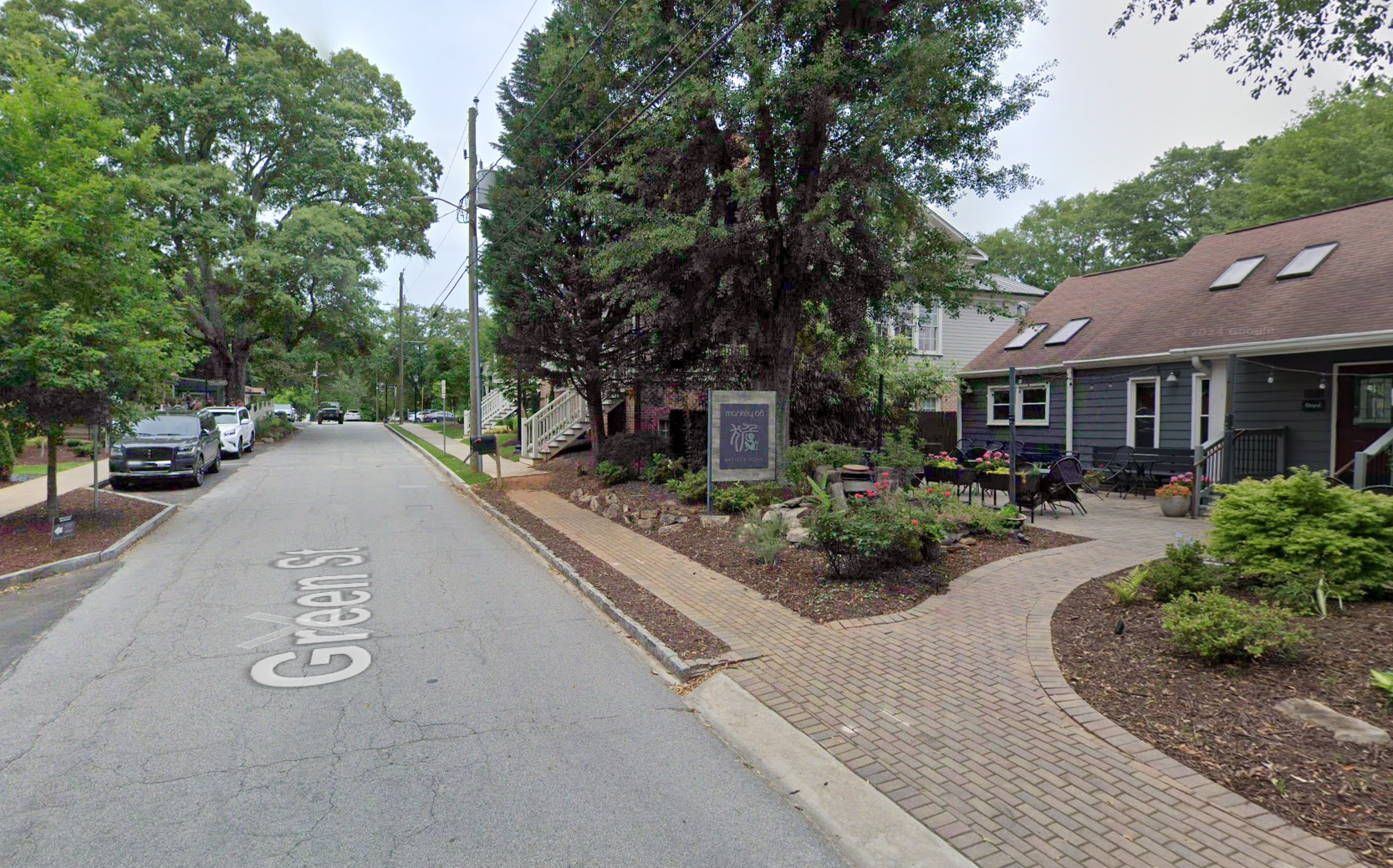
Green Street has been under active transformation for a couple of years now, tied directly to the City’s downtown parking deck project. Phase I, running from the intersection of Plum Tree and Green streets to Cherry Way, is already under construction and includes a pedestrian walkway connecting the parking deck to Canton Street.
Phase II is the next segment of that same vision, extended further along the corridor. Rather than a brand-new standalone project, it’s best understood as a continuation of an existing mobility plan, funded through a mix of a low-interest state loan and a state grant rather than pulled entirely from the City’s general fund. That funding structure, more than the construction itself, is what made the August 10 vote noteworthy: it wasn’t a unanimous formality, and it came down to a 3-2 split.
At a Glance: Green Street Mobility Expansion, Phase II
| Detail | Information |
|---|---|
| Vote | 3-2, approved August 10, 2026 |
| Total project cost | $4.75 million |
| Funding source 1 | $3 million loan, Georgia Transportation Infrastructure Bank (administered by the State Road and Tollway Authority) |
| Funding source 2 | $1.5 million grant, Georgia Transportation Infrastructure Bank |
| Scope | Pedestrian and trail infrastructure extending along Green Street toward Woodstock Park |
| Related prior phase | Phase I (Plum Tree/Green St to Cherry Way), already under construction |
| Council members opposed | Eren Brumley, Chris Zack |
| Notable recusal | Councilmember Sarah Beeson, citing personal property near the project area |
| City staff lead | Andy Flagg, Director of Transportation |
Figures current as of August 2026. Confirm against the City’s official meeting minutes or project page before resharing, since loan and grant applications can still be subject to state approval after a Council vote.
The August 10 Vote: What Council Approved
The item came before Council as a resolution authorizing the City to apply for financing, not as a construction contract itself. Specifically, Council approved seeking a loan of up to $3 million and a grant of up to $1.5 million from the Georgia Transportation Infrastructure Bank, with the funds earmarked for the Green Street Mobility Project if the applications are granted.
That distinction matters for anyone tracking the project’s timeline. Approval of the financing application is not the same as construction starting. The loan and grant still need to be finalized through the State Road and Tollway Authority before Phase II can move from planning into an active build.
Councilmember Sarah Beeson recused herself from the vote, citing personal property adjacent to the area under consideration, and returned to the dais once the vote concluded. The remaining council members split 3-2 in favor, with Eren Brumley and Chris Zack casting the dissenting votes.
How Phase II Builds on Phase I
Phase I is already visible on the ground. That segment runs from the intersection of Plum Tree and Green streets to Cherry Way and includes a pedestrian walkway linking the City’s new parking deck directly to Canton Street, one of downtown’s busiest retail and dining corridors.
Phase II extends that same pedestrian and trail investment further along Green Street, continuing the goal of improving mobility and pedestrian connectivity within the historic district. Rather than treating downtown walkability as a single project, the City has approached it in phases tied to funding availability, which is part of why this vote focused on financing mechanisms rather than a finished design package.
Funding Breakdown: The Loan, the Grant, and the Georgia Transportation Infrastructure Bank
The $4.75 million project cost breaks down into two state-level funding sources rather than a single grant or a straight City appropriation.
The $3 million piece is a loan, sourced through the Georgia Transportation Infrastructure Bank and administered by the State Road and Tollway Authority. Roswell Director of Transportation Andy Flagg encouraged Council to pursue this loan specifically because of its low-interest structure, which reduces the long-term cost to the City compared to other financing options.
The $1.5 million piece is a grant, also through the Georgia Transportation Infrastructure Bank, which the City needed to complete a formal application for as part of this process. Grant funding doesn’t need to be repaid, which is part of why combining it with a low-interest loan made this a more attractive financing package than a loan alone.
Together, the $4.5 million in loan and grant funding covers the bulk of the $4.75 million total project cost, with the City responsible for financing or covering the remaining balance.
Where the New Trail and Sidewalk Work Will Go
Phase II is focused on extending pedestrian connections along Green Street, continuing the corridor’s transformation from a car-centric street into a more walkable extension of the historic downtown core. Combined with Phase I’s pedestrian link between the parking deck and Canton Street, the broader vision connects downtown visitors on foot from parking, through the historic district, and out toward Woodstock Park.
For residents who already use the Riverwalk Trail system or downtown’s expanding pedestrian network, this is a meaningful extension rather than an isolated sidewalk project. It reflects the same mobility-first thinking behind the Green Street Activation Plan, which also converted sections of the corridor to a one-way southbound configuration and added trail, lighting, and landscaping improvements as part of the broader downtown parking deck initiative.
Who Voted For and Against
The 3-2 vote is worth sitting with, since most downtown infrastructure items in Roswell tend to pass with wider margins. Councilmembers Eren Brumley and Chris Zack voted against the Phase II funding plan, while the remaining voting council members approved it. Councilmember Sarah Beeson’s recusal, tied to personal property near the project area, meant the item passed with a narrower voting bloc than a full council would provide.
The City has not publicized detailed dissenting rationale beyond the vote count itself, so residents interested in the specific objections raised by Brumley or Zack should check the full August 10 meeting recap or watch the archived meeting video for their comments during discussion.
Why This Matters for Downtown Roswell
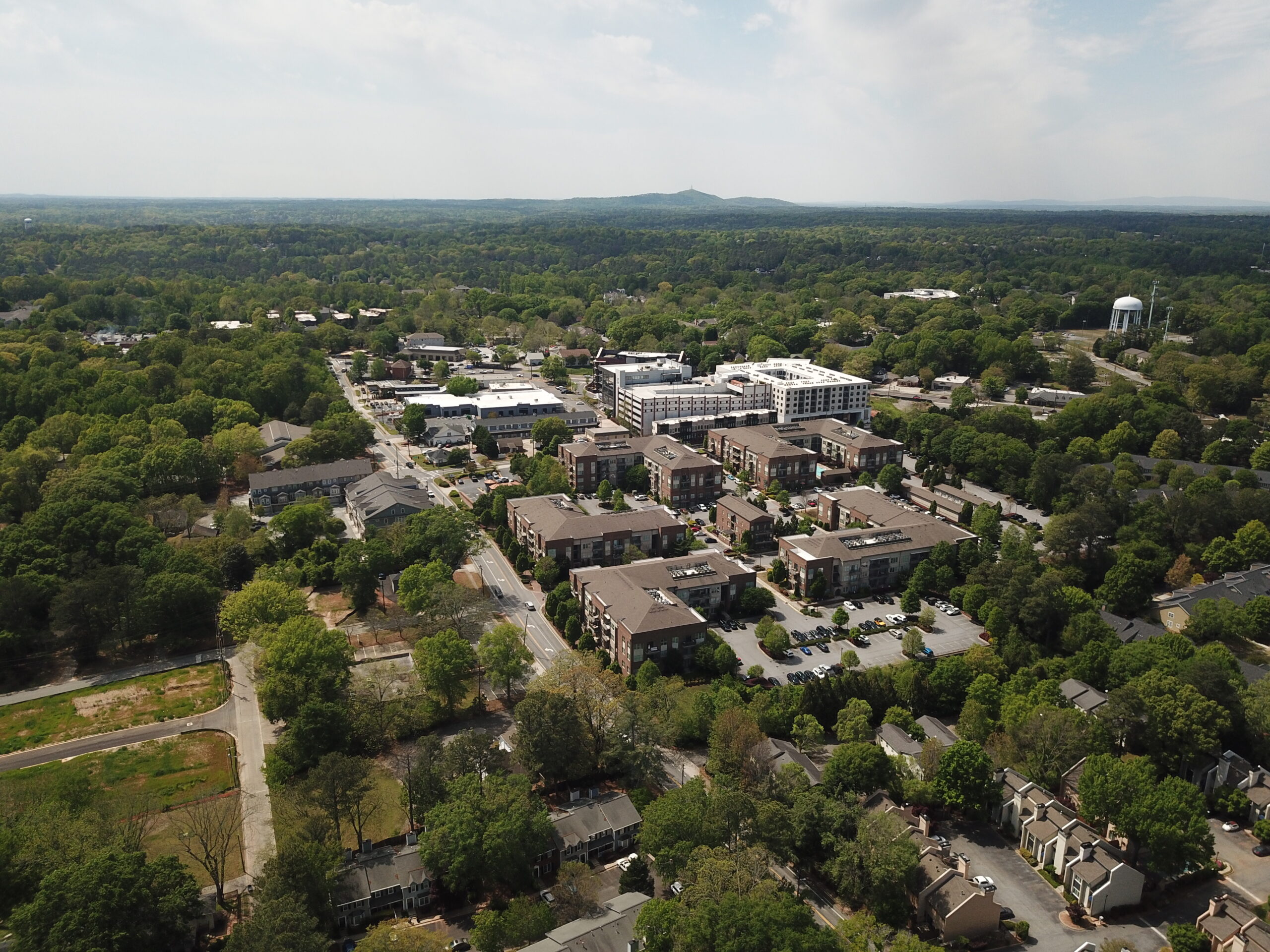
Green Street sits at the center of downtown Roswell’s biggest infrastructure story of the past few years: the new parking deck at the corner of Green Street and Alpharetta Street (Highway 9). That deck, funded through the City’s voter-approved $179.6 million bond program, is designed to pull cars out of the historic core and encourage longer, more walkable visits. Phase I and Phase II of the Green Street pedestrian work are what make that vision actually functional on foot, connecting the deck to Canton Street and extending pedestrian access further along the corridor.
For visitors and residents parking downtown, this means an increasingly connected walking route between the parking deck, Canton Street shopping and dining, and the trail network heading toward Woodstock Park. For anyone tracking downtown construction activity, expect Green Street to remain an active work zone in phases for the next couple of years as financing, permitting, and construction move through each segment.
What Happens Next
With Council’s approval to apply for the $3 million loan and $1.5 million grant, the next milestone is approval from the Georgia Transportation Infrastructure Bank and the State Road and Tollway Authority. Only once that financing is finalized will Phase II move into design and construction scheduling.
Residents should expect this to play out over months rather than weeks, especially compared to Phase I, which had already secured its funding path before construction began. Checking the City’s official meeting recaps on RoswellConnections.com remains the most reliable way to track when financing clears and construction dates are set.
Final Thoughts
The Green Street Mobility Expansion is a smaller line item than the $20 million parking deck it connects to, but it’s arguably just as important to whether that deck actually changes how people move through downtown. A $4.75 million investment, mostly covered by a low-interest state loan and a state grant rather than City reserves, is a relatively efficient way to extend the pedestrian network that ties the deck to Canton Street and the Woodstock Park trail corridor.
The 3-2 vote is a reminder that even popular-sounding infrastructure projects can draw real Council debate, and it’s worth watching for how Brumley and Zack’s objections get addressed as the financing moves toward final approval.
Downtown Roswell keeps getting easier to walk, one funded phase at a time.