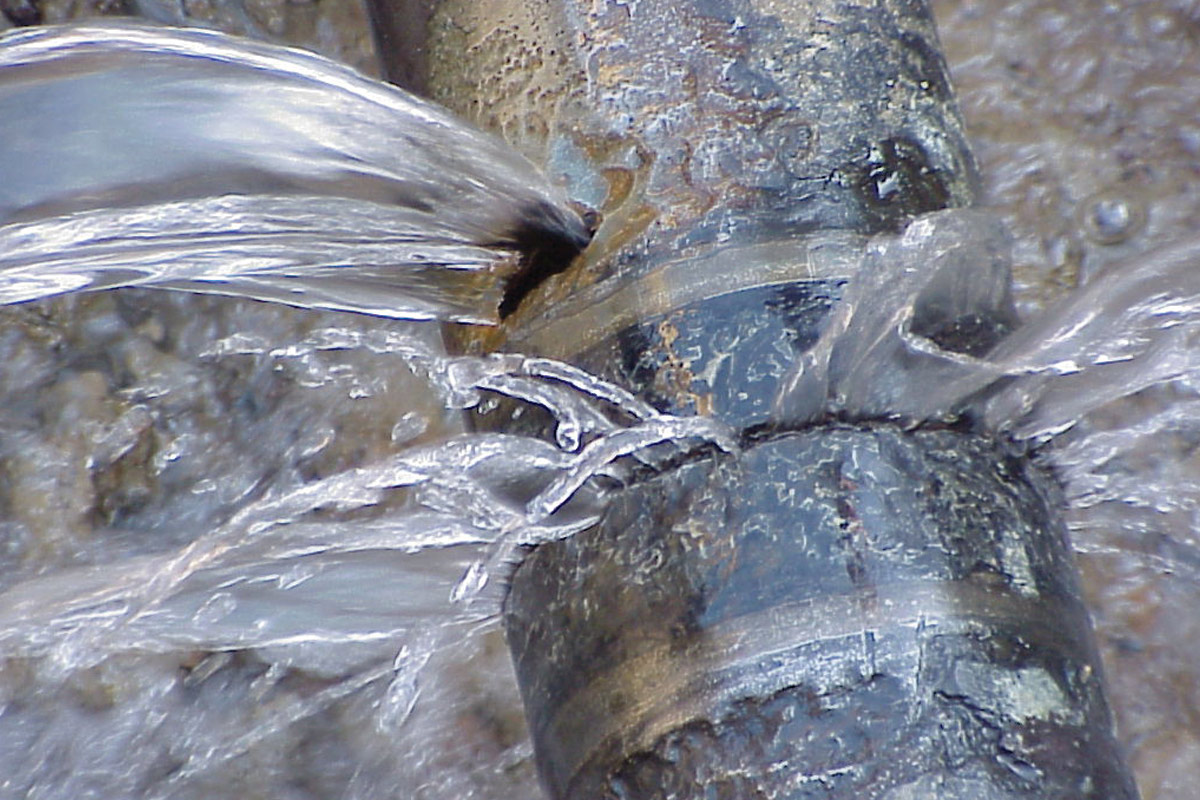

Early on Monday, November 16, 2026, a six-inch cast-iron water main gave way.
Consequently, Roswell Water Main Breaks drained pressure from the Roswell Water Utility system.
By the time downtown Roswell was making coffee, taps were dry or sputtering.
Additionally, a precautionary boil water advisory was in effect.
Canton Street restaurants were deciding how to get through lunch service.
If you live or work in the historic district, this guide covers what happened. It explains what the advisory means for your home or business. It also notes what the break tells us about the pipes under Roswell’s oldest neighborhoods.
For more on getting around and staying prepared downtown, pair this article with our Alive in Roswell Survival Guide.
Additionally, our Survive Alive App overview, the free emergency readiness tool built for Roswell residents, covers Roswell Water Main Breaks.
Status note: As of the morning of November 17, 2026, the City of Roswell’s official alert page still listed the boil water advisory as in effect, with no lift date announced. Check the City of Roswell alert page for the current status before you resume normal tap water use.
Understanding the Downtown Roswell Water Main Break
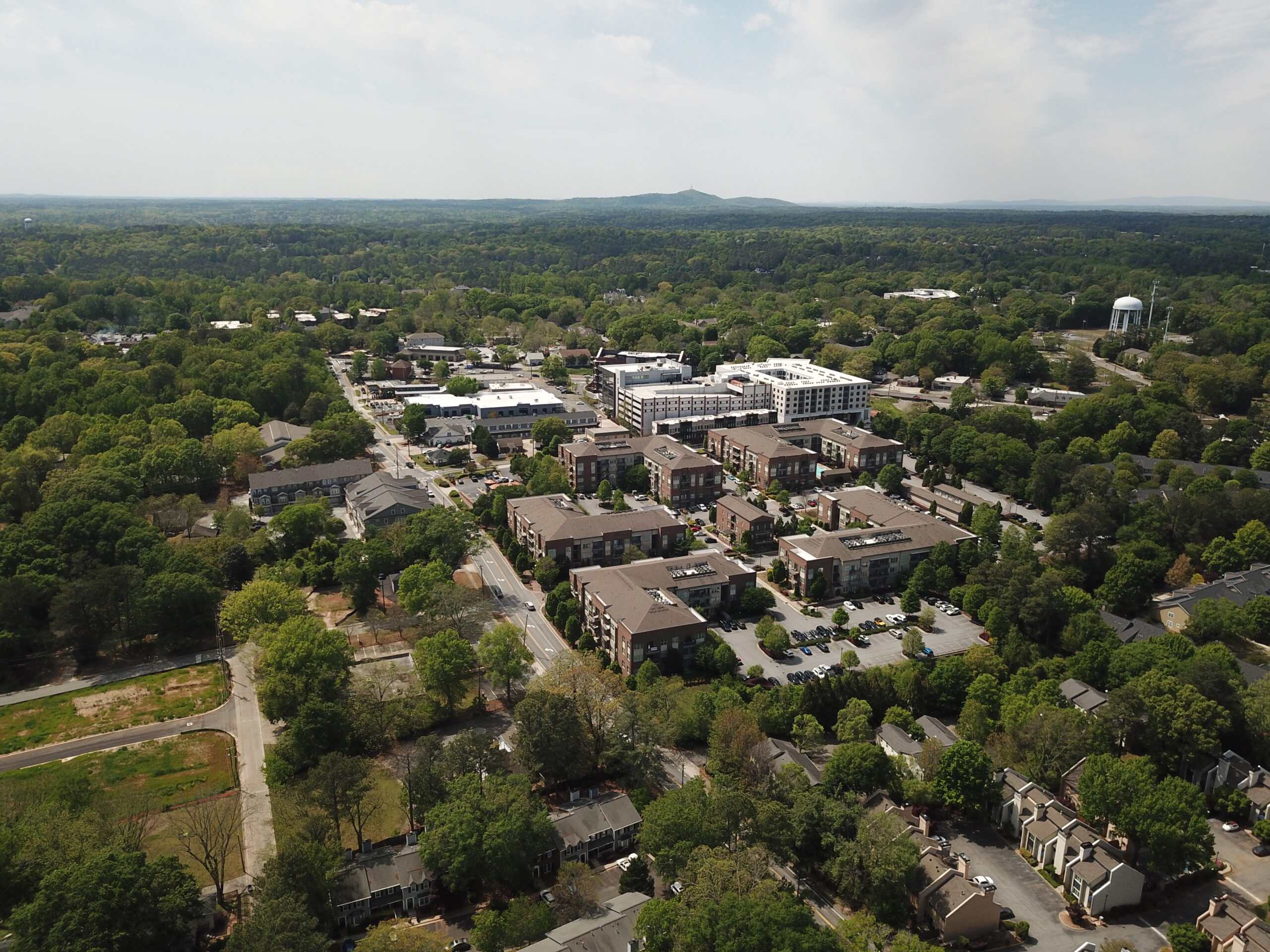
Most Roswell residents never think about who supplies their water, because for most of the city the answer is Fulton County. Roswell is unusual in North Fulton: the city runs its own water utility, and that utility serves a specific slice of town centered on the historic district.
According to the City of Roswell’s 2024 Consumer Confidence Report, the Roswell Water Utility serves approximately 18,500 residents, mostly around the historic district, while the remaining roughly 80 percent of the city’s population is served by Fulton County’s Water and Sewer Department. Atlanta News First, citing the city, described the system as serving about 20,000 water customers. Either way, that service area overlaps almost exactly with downtown Roswell, Canton Street, and the surrounding neighborhoods, which is why a single break could take out water across so much of the district at once.
What broke: Atlanta News First reported that the failed pipe was a six-inch, cast-iron water main, and that public works officials said it was an older line that was already on their list to be replaced. Interim Public Works Director Corinne Valentine described the rupture as roughly four feet wide.
Why the whole system felt it: Water escaped fast enough to begin draining the system. Crews opened a valve to Fulton County so water could flow in from the county side and restore supply while the break was isolated.
Why a boil advisory followed: When pressure in a distribution system drops, contaminants can be drawn into the lines. The city issued its advisory as a precaution for that reason, not because contamination had been confirmed. Finishing the pipe repair does not automatically lift the advisory; the city has said it will notify customers when boiling is no longer needed.
Am I affected? Only Roswell Water Utility customers are covered by this advisory. If you are not sure who supplies your address, use the city’s My Neighborhood Services lookup tool, which shows whether your address is served by Roswell Water Utility or Fulton County.
The November Outage at a Glance
| Detail | What We Know | Source |
|---|---|---|
| Date | Monday, November 16, 2026 | City of Roswell |
| Time of rupture | Around 3 a.m. | Atlanta News First |
| Time of pressure loss | About 6:30 a.m. per the city alert; about 7:30 a.m. per several news reports | City of Roswell; CBS Atlanta, WSB, 11Alive, Appen Media |
| Pipe | Six-inch, cast-iron water main, already slated for replacement | Atlanta News First |
| Repair location | Crews working on Longleaf Drive | Atlanta News First |
| Area affected | Much of downtown Roswell; some customers lost water entirely, others had low pressure | City of Roswell; Atlanta News First |
| Who is covered | Roswell Water Utility customers only (Fulton County water customers are not covered) | City of Roswell |
| Advisory | Precautionary boil water advisory, in effect until further notice | City of Roswell |
| Emergency response | Valve opened to Fulton County to restore supply | Atlanta News First |
Figures and status current as of November 17, 2026. Refresh before reshare.
What the Boil Water Advisory Means for Your Home
The city’s instructions are specific, and they cover more than drinking water.
Boil for three minutes: Bring tap water to a rolling boil for at least three minutes and let it cool before using it. Bottled water is a fine substitute.
Use boiled or bottled water for everything you ingest: That includes drinking, making ice, brushing teeth, washing dishes, and preparing food.
Throw out what was stored: Discard drinks, stored water, and ice made recently with tap water from the affected supply.
Flush your lines: The city’s alert also tells customers to flush their water lines before use. Run cold water taps for several minutes once service returns, especially if water looks cloudy or discolored.
Know the symptoms: The city lists diarrhea, cramps, nausea, and headaches as possible symptoms of waterborne illness, and notes that infants, young children, some older adults, and people with weakened immune systems are at higher risk. Seek medical advice if symptoms persist.
Share the notice: The city asks customers to pass the advisory along to anyone else who drinks the water, including apartment neighbors, nursing homes, schools, and businesses.
If a post-outage plumbing issue shows up at your place, such as sediment in an aerator, a water heater that needs flushing, or a fixture that will not seat properly after the pressure swing, you can find licensed Roswell plumbers in the Roswell Business Directory. Homeowners thinking about a whole-house filter or a point-of-use system after this week can browse local water treatment and filtration providers in the same place.
What It Means for Downtown Roswell Businesses
Downtown Roswell runs on hospitality. Canton Street and the surrounding blocks are packed with restaurants, coffee shops, salons, and boutiques, and almost all of them depend on tap water in some way. Atlanta News First noted that the advisory hit restaurants preparing to serve lunch, which now have to take extra steps to make sure the water used for cooking and drinking is safe.
Restaurants and cafes: Expect adjusted menus, bottled beverages, and modified ice and fountain drink service until the advisory lifts. Many kitchens keep boil-advisory procedures on file and switch over quickly.
Salons, spas, and studios: Services that use water on skin, hair, or nails may follow their own precautions while the advisory is active. A quick call ahead is the easiest way to confirm.
Offices and retail: Breakroom coffee makers, ice machines, and water dispensers plumbed into the line should be flushed and sanitized once the advisory is lifted.
The best way you can help downtown right now is to keep showing up. Most businesses are open and working around the advisory, and the Roswell Business Directory is the fastest way to find a downtown restaurant, check a listing, and support local while crews finish the work. If you plan to spend the afternoon on Canton Street, the Roswell Parking Wizard will point you to available parking near your stop.
Why a Six-Inch Cast-Iron Main Matters
The single most important detail in this story is the pipe material. Cast iron was the standard for American water mains for generations, and a lot of it is still in the ground, especially under older town centers like downtown Roswell.
Cast iron breaks more often than any other common pipe: Utah State University’s 2023 national study of water main break rates, which surveyed more than 800 utilities and analyzed about 400,000 miles of pipe, found cast iron had the highest failure rate of the most common materials at 28.6 breaks per 100 miles per year. PVC had the lowest at 2.9.
Most of it is old: The same study found that 86 percent of cast iron pipe in service is more than 50 years old.
Smaller distribution lines take the brunt: The study separated distribution mains (3 to 12 inches across) from larger transmission mains and found distribution mains fail at much higher rates. The six-inch main that broke on November 16 falls squarely in that distribution category.
The national picture: Across all pipe materials, the study measured an average of 11.1 breaks per 100 miles per year, which works out to roughly 260,000 water main breaks annually in the United States and Canada, and it estimated a $452 billion cost to replace aging mains.
None of this means downtown Roswell’s system is unusually fragile. It means Roswell’s oldest district is served by some of the oldest pipe material in use, and that material behaves the way the national data says it will.
Roswell’s Water System: A Brief Infrastructure Profile
Roswell’s water utility has a longer history than most residents realize, and the treatment side of the system has already been modernized.
The source: According to the city’s Consumer Confidence Report, Roswell’s Water Treatment Plant draws its primary supply from Big Creek, with the intake on Oxbo Road. The utility also operates a groundwater well and can purchase supplemental water from the Atlanta-Fulton County treatment plant, which draws from the Chattahoochee River. Because the city has more than one source, Roswell’s system is classified as a blended water source.
The plant: In 2014, Patch reported that Roswell’s old water plant, after nearly 80 years of service, could no longer efficiently produce water for the city’s customers, and that construction had begun on a new Big Creek intake to feed a new treatment plant. Today the Roswell Water Treatment Plant sits at 100 Frank Lewis Drive.
The water quality record: The city states that the Roswell Water Utility has never had a violation of the EPA Lead and Copper regulations, and that its water meets all regulatory mandates.
The gap the break exposed: A modern treatment plant and a clean compliance record cover what happens before water enters the pipes. The November break is a reminder that the distribution network, the miles of mains under streets like the ones around Canton Street, is the part of the system with the oldest components and the most exposure to failure.
If you want to see where Roswell’s water story starts, the Roswell River Hub tracks live USGS data for the Chattahoochee and its local tributaries, including river flow and water quality signals, all in one free dashboard.
How Roswell Compares to the National Infrastructure Grade
The American Society of Civil Engineers grades U.S. infrastructure every four years. In its 2025 Report Card for America’s Infrastructure, the nation earned an overall C, the highest grade since the report card began in 1998. Drinking water infrastructure earned a C-, unchanged from 2021.
| Category | 2025 ASCE National Grade |
|---|---|
| Overall U.S. infrastructure | C |
| Drinking water | C- |
| Wastewater | D+ |
| Stormwater | D |
Source: ASCE 2025 Report Card for America’s Infrastructure. Refresh before reshare.
ASCE’s analysis describes U.S. water infrastructure as aging and underfunded. That is the context for every water main break in every city, Roswell included. Utilities replace pipe on a schedule set by budgets, risk, and break history, and public works officials told Atlanta News First that the line that failed this week was already on that list.
What Residents Can Do Now
You cannot replace a city water main, but there is plenty you can do to be ready for the next outage and to help your neighbors through this one.
Confirm your water provider: Use the city’s My Neighborhood Services lookup once and save the answer. It decides whether city or county alerts apply to you.
Sign up for alerts: Follow the City of Roswell’s official channels and alert page so you see advisories and lift notices as soon as they are posted.
Keep a water reserve: A few gallons of bottled water per person covers most short outages and boil advisories. The Survive Alive App walks Roswell households through practical emergency prep, including water.
Save the right numbers: The city’s 2024 Consumer Confidence Report lists 770-641-3707 for water emergencies Monday through Friday, 8 a.m. to 5 p.m., and 770-640-4100 for after hours and weekends. Billing and service questions go to 770-641-3759.
Report problems: Low pressure, discolored water that will not clear, or water bubbling up through pavement can be reported through the city’s Report an Issue page.
Know your local pros: Line up a plumber before you need one. The Roswell Business Directory lists local plumbers, restoration companies, and water treatment providers, so you can call someone in town instead of searching under pressure.
Show up for downtown: Outages and advisories hit small hospitality businesses hard. A lunch on Canton Street this week goes a long way.
How to Stay Informed and Final Thoughts
The November 16 water main break was handled the way a well-run utility handles a bad morning: crews isolated the break, borrowed supply from Fulton County to keep water moving, and issued a precautionary advisory to protect public health while testing confirms the system is safe. Water quality at the treatment plant was never the issue. The weak point was a single aging cast-iron main under the oldest part of town, a pipe the city had already identified for replacement.
That is the real takeaway for Roswell residents. Downtown’s charm comes from its age, and so does some of the infrastructure beneath it. Pipe replacement is slow, expensive work, and every city in America is working through the same backlog. The best thing residents and business owners can do is know who supplies their water, keep a small emergency reserve, follow official alerts, and keep supporting the downtown businesses that absorb the hit when the water goes off.
For official updates, check the City of Roswell alert page. For everything local, from plumbers to restaurants to free civic tools like the Parking Wizard, River Hub, and Survive Alive App, start at the Roswell Business Directory.
Roswell Pulse. Local news, local tools, and the businesses that keep Roswell running.