
Moving to Roswell, GA: The Complete Relocation Guide
Thinking about moving to Roswell, GA? You’re not alone. This riverside city in North Fulton County has become one of metro Atlanta’s most sought-after places to live, drawing young professionals, growing families, and empty nesters who want small-town charm without giving up big-city access. If you’re relocating to Roswell, Georgia, or moving from somewhere else in the Atlanta suburbs, this complete relocation guide walks you through everything you need to know: real estate, home buying versus renting, cost of living, schools, traffic, neighborhoods, and the day-to-day realities of living in Roswell.
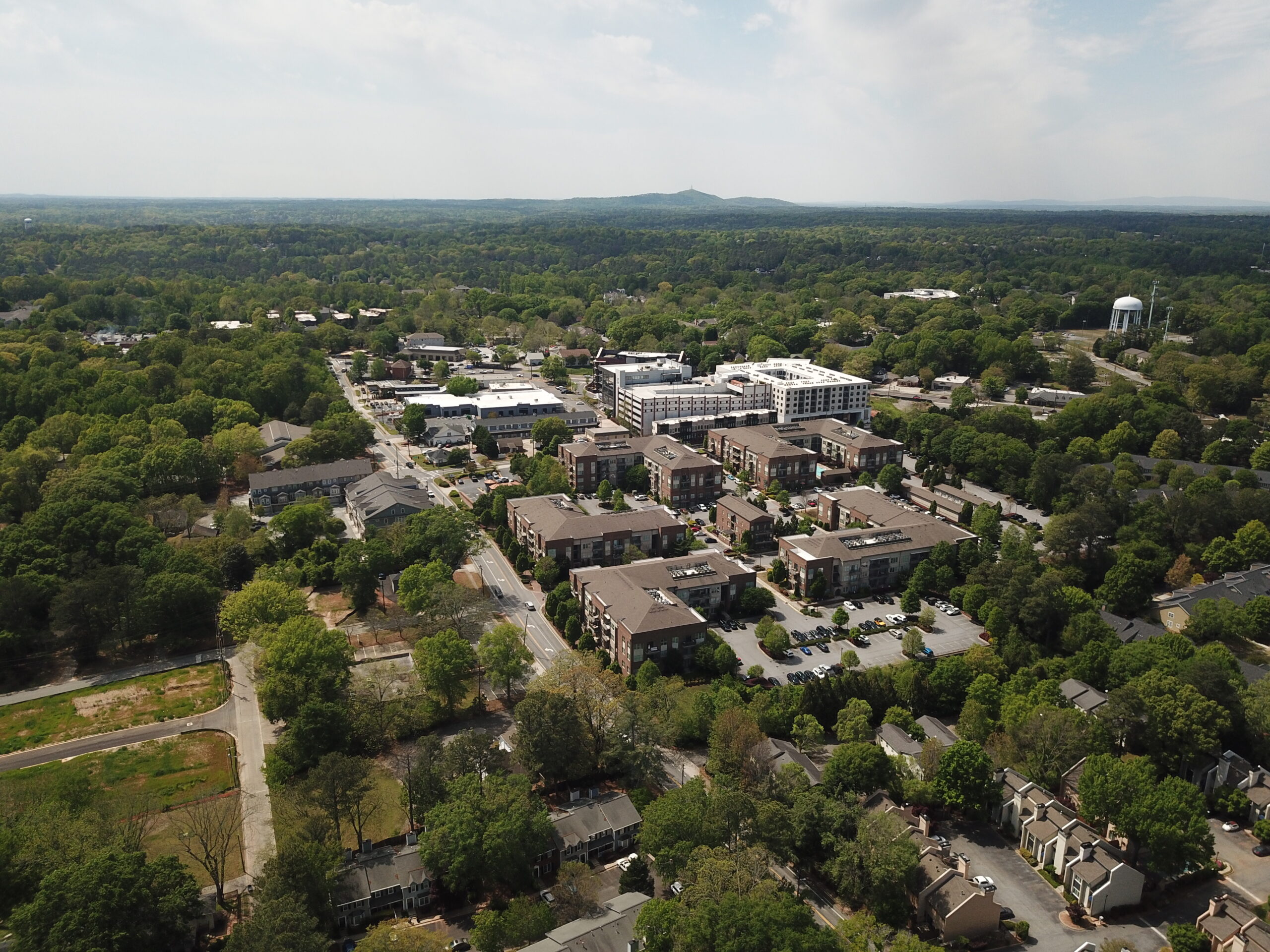
Roswell sits about 20 to 25 miles north of downtown Atlanta along the Chattahoochee River, and it consistently ranks among Georgia’s best places to live. With a population of roughly 92,000 to 95,000, it’s one of the largest cities in the state, yet it still feels like a community rather than a sprawl. Historic Canton Street, award-winning parks, top-rated Fulton County schools, and a genuinely strong local economy are the big draws. Here’s your full breakdown before you make the move.
Why People Are Moving to Roswell, GA
Before we get into the numbers, it helps to understand why Roswell relocation has become so popular. A few themes come up again and again:
- Location and access. You get quick reach to Alpharetta’s tech corridor, Sandy Springs, and Atlanta proper, plus easy weekend trips to the North Georgia mountains.
- Quality of life. Roswell offers safe neighborhoods, a walkable historic downtown, more than 20 parks, and miles of riverfront trails along the Chattahoochee.
- Schools. Fulton County Schools serve the city, and several Roswell schools rank among the best public high schools in Georgia.
- Character. Founded in 1839 as a textile-mill town by Roswell King, the city has real history (Bulloch Hall was the childhood home of Teddy Roosevelt’s mother, Mittie Bulloch) alongside a modern food and craft-beer scene.
If you’re still weighing the decision, our deep dive on the pros and cons of living in Roswell, Georgia lays out the honest trade-offs, and why all the hype around Roswell Georgia explains what’s fueling the city’s momentum.
Roswell at a Glance
| Quick Fact | Detail (early 2026) |
|---|---|
| Location | North Fulton County, ~20–25 miles north of Atlanta |
| Population | ~92,000–95,000 |
| County | Fulton County |
| School district | Fulton County Schools |
| Median home price | Low-to-mid $600,000s |
| Average rent (all types) | ~$1,672/month |
| Median household income | ~$122,000–$132,000 |
| Cost of living index | ~105 (national average = 100) |
| Homeownership rate | ~72% |
| Founded | 1839 |
Roswell Real Estate Market
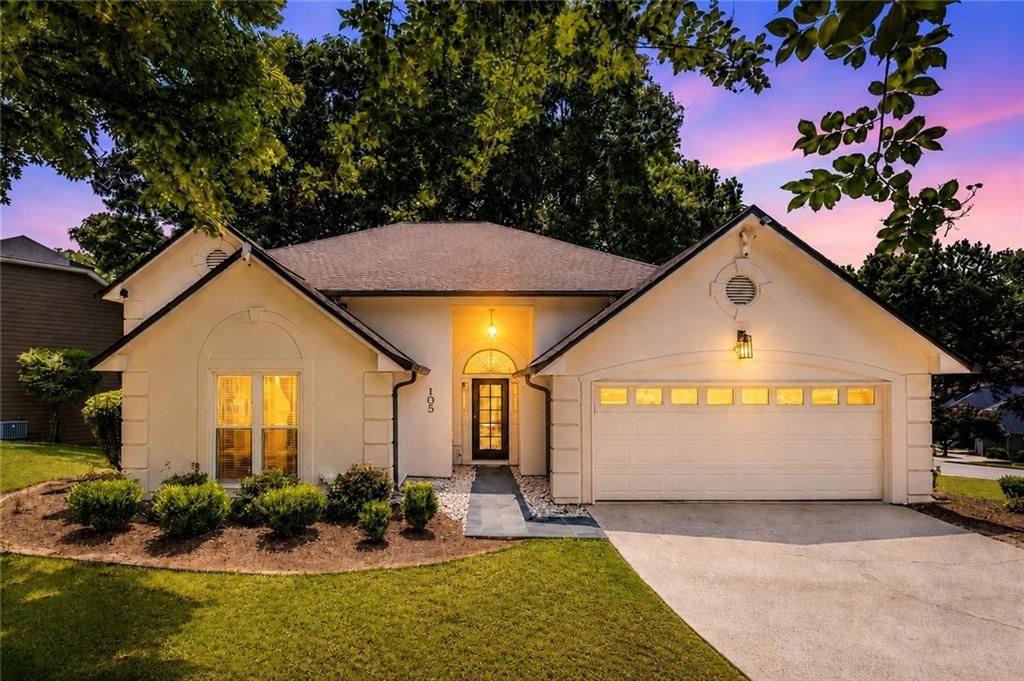
The Roswell real estate market is a premium suburban market. It runs more expensive than the metro Atlanta average, but with strong long-term value. As of early 2026, the median home price in Roswell, GA sits in the low-to-mid $600,000s. Depending on the source and month, typical home values run roughly $607,000 to $650,000 (Zillow’s home value index has hovered around $607,000 to $637,000, while Redfin reported a median sale price near $645,000 in early 2026, up about 4.9% year over year).
What that means for buyers:
- The market is more balanced than it used to be. Inventory has loosened compared to the frantic pandemic years. Homes have been selling in roughly 35 to 50 days, and a meaningful share of listings now see price reductions, which gives patient, pre-approved buyers room to negotiate.
- Prices aren’t crashing. Analysts expect modest, sustainable appreciation (in the low single digits) through 2026 rather than a downturn. Roswell’s schools, job market, and quality of life have historically supported steady home-value growth.
- Price varies a lot by neighborhood. Entry-level and townhome options exist, but established golf and riverside communities like Horseshoe Bend, Brookfield Country Club, and Willow Springs (Country Club of Roswell) frequently run from the high $700,000s to well over $1 million.
Mortgage note: Rates move constantly, but as of early 2026 the 30-year fixed averaged in the low-to-mid 6% range regionally. On a median-priced Roswell home with 20% down, plan for a principal-and-interest payment in the neighborhood of $2,400 or more per month, before taxes, insurance, and any HOA dues. Always get a current quote, since even a small rate change moves your payment meaningfully at Roswell’s price point.
Buying vs. Renting in Roswell: Which Makes Sense?
One of the biggest questions for anyone relocating to Roswell is whether to buy or rent first. There’s no universal answer, but here’s how the two stack up in this market.
Renting in Roswell
The average rent in Roswell is about $1,672 per month across all apartment types as of mid-2026, and rents have actually softened slightly over the past year. Rough breakdown by size:
- One-bedroom: ~$1,450/month
- Two-bedroom: ~$1,700/month
- Three-bedroom: ~$2,100/month
Rental inventory is most abundant along the Holcomb Bridge Road corridor and in the neighborhoods surrounding Historic Roswell. Newer complexes with pools, fitness centers, and resident lounges sit at the top of the range, while older garden-style communities in the city’s eastern and southern reaches tend to be more affordable. About 28% of Roswell households rent, versus 72% who own.
Renting makes sense if you: are new to the area and want to learn the neighborhoods before committing, plan to be in town fewer than three to five years, want flexibility, or are still saving for a down payment.
Buying in Roswell
With a median home price in the low-to-mid $600,000s, buying requires more upfront capital, but Roswell’s homeownership rate of roughly 72% (well above the national average) tells you most residents put down roots. Beyond the mortgage, budget for:
- Property taxes: Fulton County’s effective rate is roughly 0.91%, which adds about $400 or more per month on a median-priced home. Georgia’s homestead exemptions can reduce this for primary residences.
- Homeowners insurance and HOA dues: These range from a few hundred to over a thousand dollars annually depending on the community.
Buying makes sense if you: plan to stay at least three to five years, want to build equity in an appreciating market, are moving with school-age kids and want to lock into a specific district, or simply want the stability of ownership.
The bottom line: Many people relocating to Roswell rent for a year to get their bearings, then buy once they know which neighborhood and school zone fit their lives. Given Roswell’s steady appreciation and high owner-occupancy, buying tends to pay off over a longer horizon, though renting first is a smart, low-risk way to start.
Best Neighborhoods in Roswell
Roswell’s neighborhoods each have a distinct personality, and where you land shapes your commute, your school zone, and your budget. A quick tour:
- Historic District / Downtown Roswell. Walkable to Canton Street, Old Mill Park, and the river. Great for young professionals and anyone who loves being in the middle of the action.
- Horseshoe Bend. A master-planned community along the Chattahoochee built around an 18-hole golf course, with spacious lots and a resort-like feel. Median prices often land in the mid-$700,000s.
- Brookfield Country Club. Newer, upscale west-Roswell community with golf, pool, and tennis, offering a mix of townhomes and single-family homes.
- Martin’s Landing. Established, family-friendly, with lakes and easy GA-400 access.
- Willow Springs (Country Club of Roswell). One of the higher-end enclaves, frequently above $800,000.
- Edenwilde, Saddle Creek, and Nesbit Lakes. Popular family neighborhoods with strong community amenities.
As a general rule, the northwest parts of the city skew more upscale, while more affordable homes tend to be in the northeast and east. For the full breakdown of which areas suit young professionals, families, and empty nesters, see our dedicated Best Neighborhoods in Roswell guide on Roswell Pulse.
Cost of Living in Roswell, GA
The cost of living in Roswell runs slightly above the national average, with the local index sitting around 105 (where 100 is the U.S. average). Housing is the main driver, and most other everyday costs are close to typical for a metro Atlanta suburb. Roswell’s higher-than-average median household income (roughly $122,000 to $132,000) helps offset the housing premium for many families.
What to budget for beyond your mortgage or rent:
- Utilities: Electricity runs around 13 to 14 cents per kWh, and summer cooling costs climb during Georgia’s hot, humid months, so budget extra from roughly June through September.
- Property taxes: Fulton County’s effective rate is near 0.91%, in line with the national average. Georgia offers homestead exemptions for primary residences.
- Gas and transportation: Fuel prices track the regional average, and because Roswell is very car-dependent, factor in fuel and vehicle costs (more on that in the traffic section).
- Groceries, dining, and services: Roughly average, though Roswell’s strong independent restaurant scene means dining out can add up quickly if you’re not careful.
For a fuller picture of monthly expenses, the cost of living coverage on Roswell Pulse breaks down housing, utilities, and lifestyle spending in more detail.
Schools in Roswell
Schools are often the single biggest factor for families moving to Roswell, and the city is served by Fulton County Schools, one of the largest districts in Georgia, with roughly 85,000 or more students. Here’s what parents relocating to Roswell should know.
Roswell’s public high schools
- Roswell High School (Home of the Hornets): Ranked around #43 to #54 among Georgia public high schools by major ranking services, with a strong AP program and an active, spirited community.
- Centennial High School (Home of the Knights): Ranks similarly high statewide (roughly #41 to #51), holds an “A” grade on Niche and a 7/10 GreatSchools rating, and offers the sought-after International Baccalaureate (IB) program. Graduation rates sit around 93%, with average SAT scores near 1170 and ACT near 27.
Both are consistently among the better public high schools in North Fulton, and North Fulton as a whole is known for education quality.
Important: check the district lines
Roswell is a mailing address that spans several school attendance zones. Some northern and western Roswell neighborhoods (for example, parts of the Sweet Apple and Edenwilde areas) actually feed into Milton High School and other Fulton schools rather than Roswell or Centennial. Because zoning can change and elementary and middle feeders vary block by block, always verify the exact attendance zone for a specific address with Fulton County Schools before you rent or buy. This is one of the most common surprises for families relocating to Roswell.
Private and independent schools
For families considering private education, the area offers options such as Blessed Trinity Catholic High School, Fellowship Christian School, The Cottage School, and High Meadows School, among others.
Traffic and Commuting in Roswell
Let’s be honest about the trade-off that comes with living in a popular Atlanta suburb: traffic. Roswell’s road network hasn’t fully kept pace with its growth, and rush hour is a real part of daily life.
The key routes
- GA-400 (North Fulton Freeway): The primary north-south artery. During the 7 to 9 AM and 4 to 7 PM windows, the stretch through Roswell can crawl below 20 mph, with southbound traffic backing up hard as commuters head toward Buckhead, Midtown, and downtown Atlanta.
- Holcomb Bridge Road: This is the pressure point. Holcomb Bridge is Roswell’s only interchange with GA-400 and carries more than 70,000 vehicles per day, the most heavily traveled east-west interchange north of I-285. The city itself calls it Roswell’s largest transportation challenge.
- Alpharetta Highway (GA-9) and Roswell Road: Both connect the city and both get congested at peak times, especially near school zones and the Sandy Springs and Atlanta approach.
Commute expectations
Downtown Atlanta is only about 20 miles away, but at peak times that drive can stretch to 45 minutes or more than an hour each way. Local trips within Roswell can also eat up time during rush hour and school drop-off windows.
Public transit reality
MARTA rail does not extend into Roswell, so residents are almost entirely dependent on personal vehicles, and roughly 68% of commuters drive to work. A few express bus routes connect to the North Springs MARTA station, but frequency and coverage are limited. If you’re relocating from a transit-rich city, plan on car ownership being essential.
Relief is coming
There’s genuine progress in the works. GDOT’s SR 400 Express Lanes project and the Big Creek Parkway Extension are both moving forward, along with major planned improvements to the Holcomb Bridge Road and GA-400 interchange. The express lanes alone are projected to cut delay by more than 19,000 hours per day in the GA-400 corridor by 2030.
For a street-by-street breakdown of the worst bottlenecks and practical workarounds, read our full guide to navigating traffic problems in Roswell. A quick local tip: with limited Chattahoochee River crossings, learning to route between the Azalea Drive, Holcomb Bridge, and Jones Bridge crossings can save you serious time.
Lifestyle: What Living in Roswell Is Really Like
Beyond the logistics, Roswell’s lifestyle is a big reason people fall in love with it.
- Historic Canton Street is the heart of downtown, a walkable stretch of independent restaurants, coffee shops, galleries, boutiques, and bars, with roughly 200 independent restaurants across the city. It comes alive for the monthly Alive in Roswell street festival (April through October) and the Alive After Five concert series. Our ultimate local’s guide to Canton Street covers where to eat, drink, and hang out.
- The Chattahoochee River is the city’s outdoor playground: kayaking, paddleboarding, and fishing, plus the Vickery Creek trails and historic Old Mill ruins at Old Mill Park. Explore the top trails and nature spots in Roswell for hikes, greenways, and riverside routes.
- Family life is well supported, with recreation centers, pools, and 20 or more parks. See our roundup of family-fun weekends and kid-approved activities around Roswell.
- Food and drink run deep, from Southern tavern staples to craft breweries. Browse the latest on the Roswell Pulse restaurants section.
New in town and just want the highlights? Start with our overview of visiting Roswell, Georgia.
Surrounding Areas Worth Knowing
Part of Roswell’s appeal is what’s right next door. As you plan your move, these neighboring North Atlanta communities are worth a look and are commonly compared to Roswell:
- Alpharetta. Just north via GA-400, a major tech-employment hub with Avalon and a lively downtown.
- Milton. Rural-feel, upscale, with highly rated schools, located north of Roswell.
- Sandy Springs. Directly south toward Atlanta, with major employers and MARTA access.
- Johns Creek. East of the city, known for strong schools and family neighborhoods.
- East Cobb / Marietta. Across the Chattahoochee River in Cobb County, another popular family option.
Major area employers include Kimberly-Clark, Northside Hospital, Philips Healthcare, and Berkshire Hathaway Automotive, alongside the broader GA-400 tech corridor.
Relocation Checklist: Tips for a Smooth Move to Roswell
- Verify the school zone for any specific address with Fulton County Schools before signing anything.
- Test your commute at actual rush hour, not midday, before committing to a neighborhood.
- Consider renting first for 6 to 12 months to learn the neighborhoods and school lines.
- Budget beyond the mortgage. Factor in Fulton County property taxes, HOA dues, insurance, and summer cooling costs.
- Get pre-approved before you shop, since Roswell’s market rewards buyers who can move quickly on well-priced homes.
- Plan for car dependence. MARTA doesn’t reach Roswell, so reliable transportation is a must.
- Explore the community early. Canton Street, the river trails, and local events are the fastest way to feel at home.
Final Thoughts on Moving to Roswell, GA
Relocating to Roswell, Georgia means trading a bit of traffic and a slightly higher cost of living for something a lot of people find worth it: excellent schools, safe and characterful neighborhoods, a walkable historic downtown, riverfront nature, and a strong local economy just north of Atlanta. Whether you rent first or buy right in, and whether you’re a young professional, a growing family, or an empty nester, there’s a corner of Roswell that fits.
Take your time, verify the details that matter (school zones and commute above all), and lean on local resources as you settle in. Welcome to Roswell.
Have questions about a specific neighborhood, school zone, or the local market? Explore more Roswell living guides across Roswell Pulse, your local source for everything Roswell, Georgia.